Stylish Industrial Black Pipe Ceiling Lights
The following is a Wikipedia-style article on Stylish Industrial Black Pipe Ceiling Lights.
Black pipe ceiling lights represent a design trend that bridges the gap between utilitarian aesthetics and functional illumination. These fixtures, often constructed from black-coated metal pipes, evoke the raw, unadorned character of industrial settings while serving as a prominent element in contemporary interior design. Their popularity stems from a confluence of factors, including a growing appreciation for exposed building materials, a desire for robust and durable lighting solutions, and their adaptability to a variety of interior styles.
The emergence of this lighting style is intrinsically linked to the broader resurgence of industrial design principles in residential and commercial spaces. As more homeowners and designers sought to imbue their environments with a sense of history and character, elements traditionally found in factories, warehouses, and workshops began to be recontextualized. Black pipe, with its inherent strength and its ready association with infrastructure, became a foundational material for this aesthetic. When integrated into ceiling light fixtures, it transforms a functional necessity into a decorative statement, offering a tangible connection to the past.
These lights are not merely decorative; they are designed to provide effective illumination. The configurations can vary widely, from simple pendant fixtures to more elaborate chandeliers and flush-mount designs. The materials used in their construction are typically steel, often treated with a powder coating or a similar finish to achieve the deep black hue. This finish not only contributes to the visual appeal but also offers protection against rust and wear, ensuring the longevity of the fixture.
The appeal of black pipe ceiling lights lies in their understated versatility. While firmly rooted in industrial chic, they can also complement a range of other design styles. In a minimalist space, they can act as a focal point, introducing texture and a subtle edge. In a more traditional setting, they can provide a grounding element, preventing the space from feeling overly ornate. Their ability to harmonize with diverse palettes and décor schemes is a key factor in their widespread adoption.
Understanding the nuances of these fixtures, from their structural components to their stylistic applications, provides essential insight into their enduring appeal. This exploration will delve into the construction, design variations, installation considerations, and the overarching aesthetic impact of stylish industrial black pipe ceiling lights.
The fundamental building blocks of these lighting fixtures are, as the name suggests, black-coated metal pipes. The choice of metal is typically steel, selected for its inherent strength and malleability. This steel is then treated to achieve its characteristic black finish.
Types of Black Finishes
The black finish on these pipes is rarely a simple paint job. Instead, it’s usually a more durable and integrated coating that contributes to the fixture’s longevity and aesthetic.
Powder Coating
Powder coating is a common method used to apply the black finish. This process involves electrostatically applying a dry powder, typically epoxy, polyester, or a hybrid, to the metal surface. The coated metal is then cured under heat, causing the powder to flow and form a smooth, hard, and continuous film. This results in a highly durable finish that is resistant to chipping, scratching, and fading. The uniformity of powder coating provides a consistent matte or semi-gloss black appearance, which is a hallmark of many industrial-style fixtures.
E-Coating
Another prevalent finish is electrocoating, often referred to as e-coating. This is an electrochemical process that applies a protective and decorative coating to the metal substrate. In this method, the metal parts are submerged in a tank containing a water-based paint solution, and an electric current is applied. This current causes the paint particles to adhere uniformly to the metal surface, even in intricate areas. E-coating typically provides excellent corrosion resistance and a smooth, even finish, often in black. It is a robust option for environments where durability is paramount.
Plating and Anodizing (Less Common for Black Pipe)
While less common for achieving a purely black pipe aesthetic, some components might undergo plating or anodizing processes. Plating, such as black nickel or black chrome, can offer a metallic sheen along with the black color. However, for the distinct “black pipe” look, the emphasis is usually on opaque finishes. Anodizing, primarily used for aluminum, creates a durable, corrosion-resistant oxide layer. While it can be colored, it’s not the typical method for achieving the industrial black pipe look on steel.
Structural Components and Assembly
Beyond the pipes themselves, other components contribute to the structural integrity and aesthetic of black pipe ceiling lights. These often include:
- Fittings: Various pipe fittings, such as elbows, tees, couplings, and flanges, are integral to the design. These are also typically finished in black to match the pipes, creating a cohesive look. They serve not only as connectors but also as visual elements, enhancing the mechanical feel of the fixture.
- Mounting Hardware: The hardware used to attach the fixture to the ceiling (canopies, rods, chains) is usually made of the same black-coated metal. This ensures a consistent visual thread from the ceiling to the light source.
- Light Sockets and Bulbs: The design of the light sockets and the choice of bulbs play a significant role. Often, exposed incandescent or Edison-style filament bulbs are favored, as their warm glow and visible filaments complement the rustic, vintage industrial aesthetic. The sockets themselves are usually simple and functional, often made of brass or a dark metal.
- Glass Shades (Optional): Some black pipe ceiling lights incorporate glass shades. These can range from clear, hand-blown glass globes or cylinders to frosted or colored shades. The presence and style of the glass shade can significantly alter the light diffusion and the overall visual weight of the fixture.
The assembly of these components is crucial. Manufacturers often pre-assemble sections of the pipe, creating modular designs that simplify installation. The way these pieces are joined, often with visible threads or robust connectors, contributes to the authentic industrial character. The inherent heft and solidity of the materials are palpable, suggesting a lasting construction that resists the ephemeral trends of more delicate lighting.
Design Variations and Typologies
Black pipe ceiling lights are not a monolithic category. They manifest in a diverse array of configurations, each offering a distinct visual statement and illumination pattern. This adaptability allows them to cater to a broad spectrum of spatial requirements and aesthetic preferences.
Pendant Lights
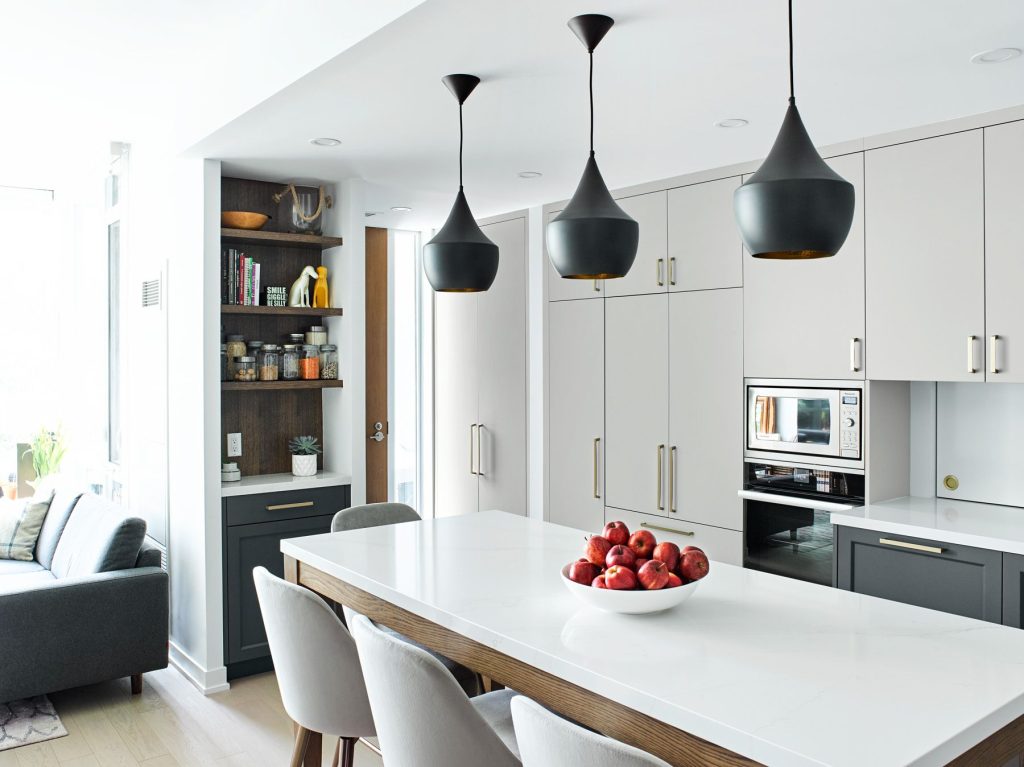
Pendant lighting is perhaps the most common and recognizable form of black pipe ceiling light. These fixtures hang from the ceiling via a cord, chain, or rod, with the light source (often a single bulb or a cluster) suspended below.
Single Pendant
A single black pipe pendant is characterized by its simplicity and directness. A length of pipe serves as a downrod, from which a socket and bulb are suspended. Often, an elbow fitting at the top connects the pipe to the ceiling canopy, creating a short, angled drop. This design is effective for task lighting over countertops or as accent lighting in smaller spaces.
Multi-Light Pendants
These pendants feature multiple light sources organized in a linear, clustered, or cascading arrangement.
- Linear Multi-Pendants: Constructed with a horizontal pipe or bar from which several pendants hang at intervals. This is ideal for illuminating long dining tables or kitchen islands. The pipes can be arranged in parallel or staggered formations.
- Cluster Pendants: Multiple individual pendants are suspended from a single ceiling canopy at varying lengths, creating a dynamic, sculptural effect. This is often used to add visual interest to an entryway or a living area.
- Chandelier-Style Multi-Pendants: These are more elaborate versions, often featuring a central pipe or hub from which several arms extend, each holding a light source. The arrangement can mimic the structure of a traditional chandelier but with industrial materials.
Flush Mount and Semi-Flush Mount Lights
For areas with lower ceilings or where a more streamlined profile is desired, flush mount and semi-flush mount designs offer a practical yet stylish solution.
Flush Mounts
Flush mount fixtures are installed directly against the ceiling surface, with the entire fixture contained within the plane of the ceiling. Black pipe flush mounts often feature a circular or rectangular base made of interconnected pipe fittings, with light sources emerging from them. They offer an unobtrusive way to introduce the industrial aesthetic without sacrificing headroom.
Semi-Flush Mounts
Semi-flush mounts, also known as close-to-ceiling fixtures, are mounted slightly below the ceiling, creating a small gap that allows for light to cast upwards and outwards. This can help to evenly distribute light throughout a room and can make a space feel larger. Black pipe semi-flush mounts often use a short downrod or a series of interconnected pipes that form a decorative canopy just below the ceiling, with the bulbs positioned beneath.
Wagon Wheel Chandeliers
A specific type of multi-light fixture, wagon wheel chandeliers often employ a large, circular pipe structure reminiscent of a wagon wheel. Multiple light sockets are affixed to the outer rim or spokes of this wheel, casting light in a broad, ambient manner. These are impactful statement pieces, suitable for larger living rooms or dining areas.
Sconces and Wall Lights
While the focus is on ceiling lights, it’s worth noting that the black pipe aesthetic extends to wall-mounted fixtures. These often mirror the design principles of ceiling pendants, featuring single or multiple lights mounted on pipes attached to the wall. These can be used to augment ceiling illumination or for accent lighting.
The key to the versatility of these designs lies in the modular nature of the piping. Manufacturers can combine standard pipe lengths and fittings in countless ways to create bespoke or catalogued fixtures. This allows for a high degree of customization, enabling designers to match lighting to the precise dimensions and styling of a space. The black pipe serves as a robust skeleton, supporting the light sources and imbuing the fixture with a sense of purposeful construction.
Installation and Mounting Considerations
The installation of black pipe ceiling lights, like any electrical fixture, requires careful attention to safety and structural integrity. While many are designed for straightforward DIY installation, understanding the specific requirements for mounting and wiring is essential.
Types of Ceiling Mounting
The method by which the light fixture is attached to the ceiling depends on the fixture’s weight, its design, and the type of ceiling it’s being mounted to.
Junction Box Mounting
The most common and secure method involves attaching the fixture directly to a pre-existing electrical junction box. This box, typically made of metal and securely fastened to the building’s structure (joists or furring strips), provides a stable anchor point for the fixture and houses the electrical connections.
- Adapting for Weight: Heavier black pipe fixtures may require specific mounting bars or crossbars designed to distribute their weight effectively across the junction box and surrounding ceiling structure. Manufacturers often provide these with their fixtures.
- Wiring Connections: Standard wiring procedures apply. The live, neutral, and ground wires from the fixture must be correctly connected to their corresponding wires in the junction box. This is a critical step that, if done incorrectly, can lead to electrical hazards.
Direct Ceiling Mount (Less Common for Heavier Fixtures)
Some lighter black pipe fixtures might be designed for direct mounting to the ceiling joists or furring strips without a standard junction box, especially in situations where a junction box may not be conveniently located. This typically involves screwing mounting screws or lag bolts directly through a canopy or flange into the ceiling structure. This method is only suitable for fixtures that are not excessively heavy.
Ceiling Type and Structural Support
The nature of the ceiling itself is a significant factor in the installation process.
- Drywall Ceilings: Standard drywall ceilings will require a securely mounted junction box, often attached to ceiling joists. For heavier fixtures, the junction box should be rated for the fixture’s weight and potentially reinforced.
- Plaster and Lath Ceilings: These older ceiling types can be more brittle and may require specialized anchors or mounting plates to ensure the fixture remains securely attached. The structural support of the lath and joists needs to be assessed.
- Wood Ceilings: Wooden planks or panels can provide a solid mounting surface. Screws can often be driven directly into the wood, provided it is sufficiently strong.
- Vaulted or Sloped Ceilings: Special canopy kits or adapter plates are often required to ensure that the fixture hangs plumb and that the canopy sits flush against the angled surface.
Electrical Considerations
- Professional Installation Recommended: For those unfamiliar with electrical work, hiring a qualified electrician is strongly advised. Improper wiring can lead to fires, electric shock, or damage to the fixture and home.
- Circuit Load: Ensure that the electrical circuit the light fixture is being added to can handle the total wattage of the bulbs. Overloading a circuit can trip breakers or cause other electrical issues.
- Dimmer Compatibility: If the intention is to use a dimmer switch, verify that both the fixture and the chosen bulbs are compatible with dimming technology. Some types of LED bulbs, for instance, may not dim effectively or at all.
The weight and bulk of black pipe fixtures necessitate careful planning. The raw, robust materials, while visually appealing, contribute to a significant heft that must be accounted for during installation. It is not a case of simply screwing a lightweight fixture into place; it’s about anchoring a substantial element that will contribute to the room’s structure and ambiance.
Aesthetic Integration and Styling Applications
The appeal of stylish industrial black pipe ceiling lights extends beyond their physical construction. Their aesthetic power lies in their ability to influence and define the overall mood and character of an interior space. They are not merely sources of light but rather integral components of the design narrative.
Industrial and Loft Styles
Unsurprisingly, these fixtures find their most natural habitat within industrial and loft-style interiors. Here, they echo the utilitarian origins of the materials.
- Exposed Brick and Concrete: In spaces featuring exposed brick walls or polished concrete floors, black pipe lights complement the raw textures, enhancing the authentic industrial feel. They act as a visual anchor, grounding the more rough-hewn elements.
- Open-Plan Layouts: In large, open-plan lofts, these lights can be strategically placed to define zones—over a dining area, a kitchen island, or a seating arrangement—without visually breaking up the space with solid partitions.
- Metal Accents: When combined with other metal elements, such as steel beams, exposed ductwork, or furniture with metal frames, black pipe lights create a cohesive and harmonious industrial palette.
Modern and Minimalist Interiors
While seemingly incongruous, black pipe ceiling lights can also add a sophisticated edge to modern and minimalist environments.
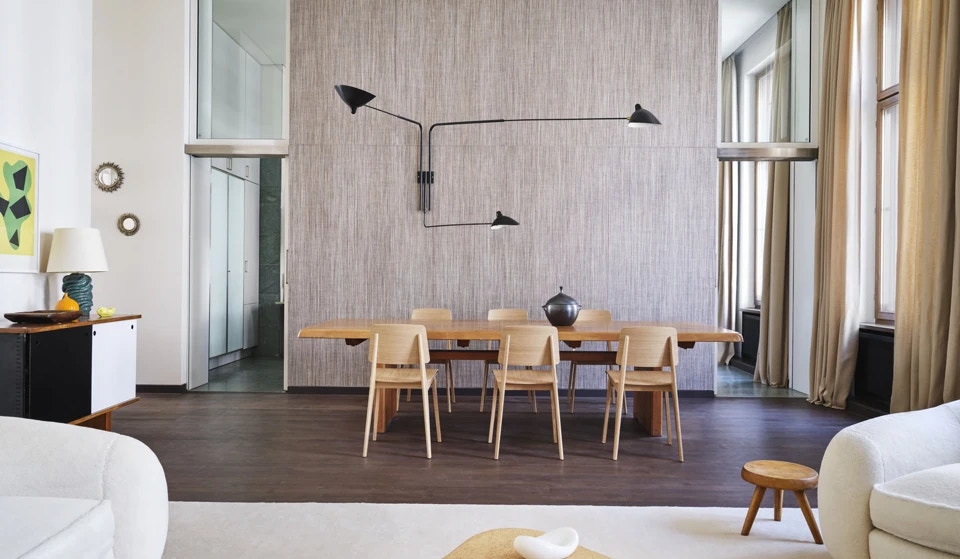
- Contrast and Texture: In a space dominated by clean lines, smooth surfaces, and a muted color palette, a black pipe fixture can introduce welcome texture and a subtle industrial contrast. It acts as a statement piece that prevents the space from feeling sterile or overly uniform.
- Focal Point: A particularly well-designed black pipe chandelier or a cluster of pendants can serve as a striking focal point, drawing the eye and adding a layer of curated character.
- Understated Elegance: By opting for simpler configurations—perhaps a single pendant with a clean, unfussy design—these lights can contribute to an understated elegance, where function and form are balanced with a touch of raw materiality.
Rustic and Farmhouse Styles
The robust and somewhat primitive nature of black pipe also lends itself well to rustic and farmhouse aesthetics.
- Warming Element: In a rustic setting that might feature natural wood tones and earthy colors, the black pipe can provide a grounding, darker element that adds depth and contrast.
- Farmhouse Charm: When paired with vintage-inspired bulbs or simple, unfussy glass shades, black pipe fixtures can enhance the charm of a farmhouse-style kitchen or dining room, evoking a sense of enduring, practical design.
Eclectic and Transitional Spaces
The adaptability of these lights makes them suitable for eclectic interiors, where diverse styles are intentionally mixed.
- Bridging Styles: A black pipe fixture can act as a bridge between disparate elements in an eclectic room, connecting, for instance, modern furniture with antique accents.
- Adding Character: For a transitional space that blends traditional and contemporary elements, black pipe lights can introduce a unique character and a conversation-starting element.
The metaphors often associated with these lights are those of strength, durability, and honest construction. They are the unspoken narratives of workshops, factories, and the industrial revolution, repurposed to illuminate modern living. They embody a certain gravitas, a solidity that can anchor a room and lend it a sense of purpose and authenticity. Their black hue is a versatile canvas, capable of receding into shadow or boldly asserting its presence, depending on the surrounding elements.
Choosing the Right Fixture
The selection of a specific black pipe ceiling light should consider:
- Scale and Proportion: The size of the fixture must be proportionate to the room it will occupy. An oversized chandelier in a small dining room can feel overwhelming, while a tiny pendant in a grand hall can be lost.
- Light Output and Distribution: The number of bulbs and their wattage will determine the overall illumination. The design of the fixture will dictate how the light is distributed – focused downward, diffused broadly, or cast upwards.
- Overall Design Cohesion: The fixture should complement, rather than clash with, the existing color palette, textures, and materials in the room.
Ultimately, the integration of black pipe ceiling lights is about making a deliberate design choice. It’s about embracing an aesthetic that values raw materials, honest construction, and a touch of industrial history, transforming a functional necessity into a resonant element of interior design.
Lighting Effects and Bulb Selection
The visual impact and functional efficacy of black pipe ceiling lights are significantly influenced by the type of bulbs used and the way they interact with the fixture’s design. The choice of bulb is not merely a matter of illumination but also a critical component of the overall aesthetic.
Bulb Types and Their Impact
The raw, industrial nature of black pipe fixtures often lends itself to bulbs that emphasize their vintage or functional origins.
Edison Bulbs (Filament Bulbs)
These are arguably the most popular choice for black pipe ceiling lights. Characterized by their exposed, decorative filaments, Edison bulbs evoke a nostalgic, turn-of-the-century aesthetic.
- Warm Glow: They typically emit a warm, amber-toned light, which creates a cozy and inviting atmosphere. This can be particularly effective in living rooms, dining rooms, and bedrooms.
- Visual Interest: The visible filaments add a unique design element, especially in fixtures where the bulb is prominently displayed.
- Energy Efficiency (LED Variants): While traditional incandescent Edison bulbs are energy-intensive, modern LED versions are available that mimic the look of the original filaments but consume significantly less power and have a longer lifespan.
Clear Glass Bulbs
Clear glass bulbs allow for an unobstructed view of the filament (in the case of Edison bulbs) or the internal workings of other bulb types.
- Maximum Light Output: They tend to allow for the most direct and unobstructed light spread.
- Uninterrupted Aesthetic: In designs where the bulb is a focal point, clear glass ensures its visual integrity.
Frosted or Opal Glass Bulbs
These bulbs have a diffused glass surface that softens the light emission.
- Gentler Illumination: Frosted bulbs reduce glare and provide a more diffused, ambient light, which can be preferable in spaces where harsh light needs to be avoided.
- Softer Atmosphere: They contribute to a gentler, more diffused atmosphere, which can be beneficial for relaxation.
Industrial-Style LED Bulbs
Beyond filament-style LEDs, there are now many other LED bulb designs that are specifically engineered to complement industrial fixtures. These may feature clear bulbs with internal LED arrays that are designed to mimic the effect of visible filaments or other vintage bulb shapes.
- Energy Efficiency: LEDs offer substantial energy savings compared to incandescent bulbs and have a much longer lifespan, reducing maintenance and replacement costs.
- Color Temperature Options: LEDs are available in a wide range of color temperatures, from warm white (similar to incandescent) to cool white. For industrial styles, a warm white (around 2700K to 3000K) is typically preferred to maintain the vintage feel.
- Dimmability: It’s important to ensure that LED bulbs chosen are dimmable if the fixture is connected to a dimmer switch.
Lighting Effects and Illumination Patterns
The configuration of the black pipe fixture itself plays a significant role in how light is dispersed and the overall lighting effect.
- Task Lighting Zones: Fixtures with downward-facing pendants, especially when clustered or arranged linearly over a specific area like a kitchen island or a desk, provide focused task lighting. The black pipes can act as guides, directing the light where it is most needed.
- Ambient Illumination: Larger, multi-light fixtures, such as wagon wheel chandeliers or cluster pendants with bulbs pointing in various directions, are effective for providing broad ambient illumination to a room.
- Accent and Mood Lighting: Some designs, with bulbs angled upwards or outwards, can create interesting shadow play and highlight architectural features or decorative elements. The industrial aesthetic itself can contribute to a mood, suggesting robustness and a connection to craft.
- Glare and Diffusion: The choice of bulb (frosted vs. clear) and any accompanying shades or diffusers will determine the level of glare and the softness of the light. Exposed bulbs in open fixtures can be susceptible to glare, making frosted bulbs or shades a sensible option for areas where visual comfort is high priority.
The careful selection of bulbs allows the homeowner or designer to fine-tune the lighting experience. It’s about using the raw structure of the black pipe fixture as a frame, and the bulbs as the dynamic elements that bring the space to life with light and shadow. The interplay between the metallic darkness of the pipes and the warm glow of the illumination is a key characteristic of these popular lighting solutions.
Maintenance and Durability
The robust materials and finishes used in stylish industrial black pipe ceiling lights generally contribute to their longevity and ease of maintenance. However, like any home fixture, proper care will ensure they retain their aesthetic appeal and functional integrity for years to come.
Cleaning and Care
Regular cleaning is typically straightforward, focusing on removing dust and grime that can accumulate on the pipe surfaces and bulbs.
- Dusting: A soft, dry cloth or a feather duster is usually sufficient for routine dusting of the pipes and canopies. For more intricate fittings, a soft brush can be useful.
- Wiping Down: For persistent dirt or smudges, a slightly damp cloth can be used. It is important to use water only and to ensure the cloth is not excessively wet, particularly around any electrical components. After wiping, dry the surface thoroughly with a clean, dry cloth to prevent water spots or moisture damage.
- Bulb Cleaning: Bulbs, especially decorative filament bulbs, should be allowed to cool completely before cleaning. A soft cloth is generally adequate. Avoid using abrasive cleaners or solvents, which can damage the bulb’s finish or internal components.
- Avoid Harsh Chemicals: It is crucial to avoid harsh cleaning chemicals, abrasive pads, or scouring brushes, as these can scratch the finish, remove the coating, or damage the metal. The dark finishes, particularly powder coatings, can be sensitive to aggressive cleaning agents.
Durability and Material Considerations
The inherent qualities of the materials used contribute to the fixture’s resilience.
- Black Pipe (Steel): Steel, when properly coated, is a strong and durable material. The powder coating or e-coating provides a barrier against rust and corrosion, making these fixtures suitable for a variety of indoor environments.
- Powder Coating/E-Coating: These finishes are designed to be hard-wearing and resistant to chipping and scratching under normal use. However, severe impacts or prolonged exposure to moisture in unprotected environments could eventually compromise the finish.
- Electrical Components: Standard electrical components are integrated into the fixtures. As with any electrical device, proper installation and avoiding overloading the circuit are key to their reliable operation.
Addressing Potential Issues
While generally durable, a few issues might arise over time.
- Loose Connections: Over time, or due to vibrations, connections between pipe sections or fittings might loosen slightly. It is advisable to periodically check for any wobbling or looseness in assembly and to gently tighten these connections if necessary, taking care not to overtighten.
- Fading: While durable, prolonged and direct exposure to strong UV light (e.g., from a nearby skylight that receives intense sunlight) could theoretically lead to some fading of the black finish over a very long period. However, this is typically not a concern in standard interior applications.
- Corrosion (Rare Indoors): In very humid or coastal environments without adequate protection, some minor surface rust might appear if the coating is compromised. However, for typical indoor use, this is uncommon.
The maintenance required for black pipe ceiling lights is generally minimal, aligning with the practical and low-fuss ethos of industrial design. The emphasis is on robust construction and finishes that stand the test of time, requiring little more than occasional attention to maintain their visual appeal and ensure continued safe operation. Their durability is not an accident of design but a fundamental aspect of their appeal, offering a sense of enduring quality in an often fleeting world of decorative trends.