Coastal Charm: Nautical Rattan Hanging Pendant
Here is an article about the “Coastal Charm: Nautical Rattan Hanging Pendant,” written in a factual Wikipedia style, adhering to your
specifications.
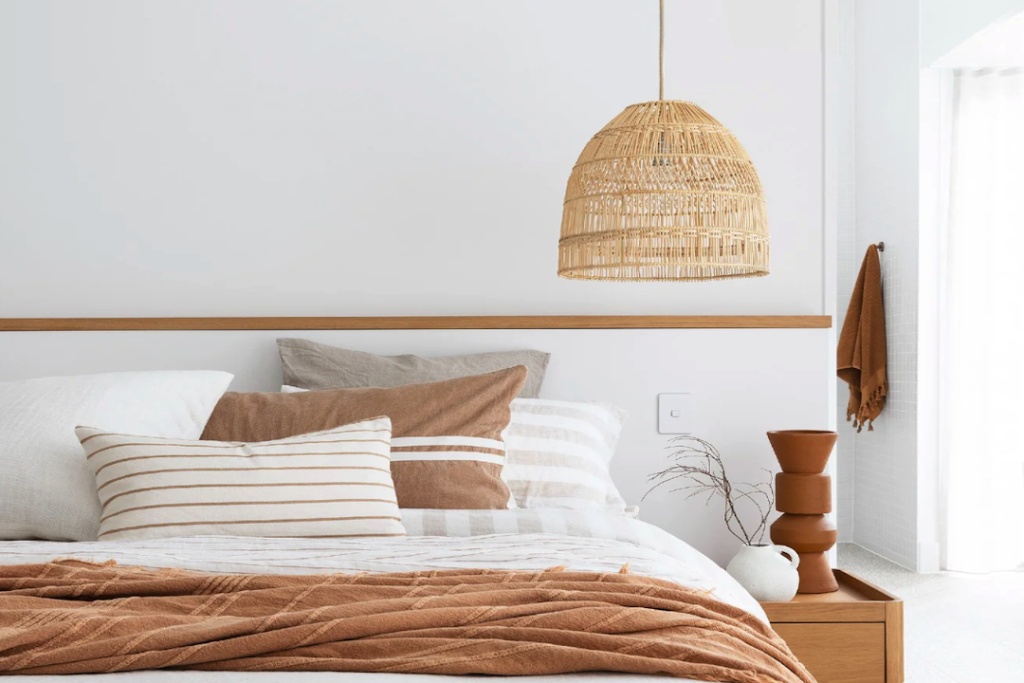
The Coastal Charm Nautical Rattan Hanging Pendant is a decorative lighting fixture characterized by its
use of rattan as a primary material. This pendant light draws inspiration from maritime aesthetics
and natural materials, aiming to evoke a sense of coastal living. Its construction typically involves a
hand-woven rattan shade, often cylindrical, globe-shaped, or bell-shaped, designed to diffuse
light. The inherent properties of rattan contribute to its distinctive texture and organic form.
Material Sourcing and Properties
Rattan, derived from the Stems of various palm species, particularly those in the genera Calamus and
Daemonorops, is selected for its a combination of strength, flexibility, and lightweight Miilighting
characteristics. These properties make it amenable to the weaving techniques employed in lantern and
shade construction. The harvesting of rattan is often done sustainably, given its rapid growth rate.
The material undergoes preparation, which may include splitting, peeling, and drying, before being
used in the fabrication of the pendant’s shade. The natural color of rattan can range from pale
yellow to light brown, and it can be further treated with stains or finishes to achieve different
aesthetics, though unvarnished rattan is common in designs emphasizing natural textures.
Rattan Weaving Techniques
The creation of the rattan shade involves various weaving patterns. Common techniques include:
Open Weave
This style allows for significant light penetration and creates prominent shadow patterns. The gaps
between the rattan strands are wider, contributing to a more airy and less opaque appearance. This
technique is often used when the goal is to create a diffused, ambient light rather than a focused
beam. The gaps can be irregular or deliberately patterned, adding to the unique visual appeal.
Tight Weave
In contrast to open weave, this method involves closely interlacing rattan strands, resulting in a
denser shade that obscures the light source more effectively. This produces a softer, more uniform
illumination, suitable for creating a calming atmosphere. The density of the weave can influence how
much light escapes and the overall light quality.
Geometric Patterns
Skilled artisans may employ specialized weaving techniques to create geometric patterns within the
rattan shade itself. These patterns can range from simple criss-crosses to more intricate diamond or
herringbone designs. Such embellishments add a layer of visual complexity and artisanal value to the
fixture, transforming a functional object into a decorative element. The precision required for these
patterns highlights the craftsmanship involved.
Structural Elements and Hardware
Beyond the rattan shade, the pendant light incorporates structural elements that facilitate its
installation and enhance its durability. These typically include:
Canopy and Rod/Cord
The canopy, which mounts to the ceiling electrical box, is usually made of metal (e.g., brass, iron,
or brushed nickel). It houses the wiring connections and provides a clean finish at the point of
suspension. The pendant is suspended from the canopy via a metal rod or a cord. Rods provide a more
rigid and traditional silhouette, while cords offer a more flexible and casual appearance. The choice
of material and finish for these components is crucial in complementing the rattan and the overall
design scheme.
Rod Suspension
When a rod is used, it is typically an adjustable or fixed-length metal tube. The length of the rod
determines the hanging height of the pendant. It requires secure attachment to the canopy and the
socket housing to ensure stability. The diameter and finish of the rod are chosen to harmonize with
the other metal components of the fixture.
Cord Suspension
Cord suspension offers greater flexibility in adjusting the pendant’s height, allowing for easier
installation in spaces with varying ceiling heights or for creating layered lighting
arrangements. The cord can be made of fabric (e.g., braided, twisted) or plastic, with fabric cords
often chosen for their aesthetic appeal to complement the natural materials of the shade. The
suspension cord is typically concealed within or alongside a decorative chain for added visual
interest and support.
Socket and Bulb Housing
The socket, where the light bulb is inserted, is usually made of durable materials like metal or
ceramic. It must be rated for the appropriate voltage and wattage to ensure safe operation. The design
of the socket housing can vary, from simple exposed sockets to more elaborate fixtures that integrate
seamlessly with the rattan shade. The type of bulb recommended (e.g., LED, incandescent) will influence
the light quality and energy efficiency of the fixture.
Aesthetic and Thematic Appeal
The Coastal Charm: Nautical Rattan Hanging Pendant is designed to embody a specific aesthetic that
draws heavily from maritime and natural environments. Its visual language aims to translate the
feeling of coastal living into an interior design element.
Nautical Influence
The “nautical” aspect of the design is expressed through several key features. This can include the
use of:
Color Palette
While rattan itself possesses a natural, earthy tone, some designs may incorporate colors commonly
associated with maritime themes. These can include shades of blue, white, grey, and sandy beige.
These colors might appear in the hardware, the suspension cord, or even subtle tints applied to the
rattan itself, though the most common approach retains the natural rattan color as the primary
feature. The objective is to create a visual link to the sea and its surrounding environments.
Form and Silhouette
The shapes of the pendant shades themselves can evoke nautical objects. For instance, a bell-shaped
shade might suggest a ship’s bell, while a globe shape could allude to buoys or portholes. The
overall silhouette of the pendant, when hung, is intended to contribute to this thematic coherence.
Even the woven texture can suggest natural elements found along the coast, like fishing nets or reeds.
Coastal Ambiance
The “coastal charm” dimension of the pendant is achieved through its material and design, aiming to
create an atmosphere of relaxation and natural beauty often associated with seaside locations. This
includes:
Natural Materials
The predominant use of rattan is central to achieving a coastal feel. Rattan is a porous, fibrous
material that naturally connects the interior space to organic, outdoor elements. Its texture and
warm tones are inherently grounding and inviting, reminiscent of beachside retreats and bungalows.
The light it diffuses often has a soft, diffused quality, further contributing to a serene ambiance.
Textural Qualities
The woven nature of rattan provides a rich, tactile surface. This texture adds visual interest and
depth to the fixture, distinguishing it from smoother, manufactured materials. The interplay of light
and shadow created by the weave can evoke the dappled sunlight found on sandy shores or the patterns
of waves. This textural depth contributes significantly to the overall sensory experience of the
space where the pendant is installed.
Shadow Play
As light passes through the woven rattan, it casts intricate shadow patterns on surrounding surfaces.
These shadows are not static but can shift with the movement of air currents, creating a dynamic and
ever-changing visual display. This effect is often described as adding a layer of organic movement
and visual complexity to a room, mimicking natural phenomena like rustling leaves or rippling water.
The specific patterns depend on the density and style of the weave.
Light Diffusion
The rattan shade acts as a natural diffuser, softening the intensity of the light bulb. This
diffusion creates a more ambient and less glary illumination, contributing to a relaxed and
comfortable atmosphere. Unlike clear glass or metal shades that can project harsh light, rattan
gently distributes light, preventing stark contrasts and promoting a sense of tranquility.
Application and Placement
The Coastal Charm: Nautical Rattan Hanging Pendant is designed for a variety of interior and
exterior-covered settings, where its aesthetic and functional qualities can be best appreciated. Its
versatility in placement allows it to serve different purposes within a decorative scheme.
Interior Lighting Applications
Within interior spaces, this pendant light is typically used to enhance specific areas and infuse them
with its signature coastal aesthetic. Common applications include:
Living Areas
In living rooms and family rooms, the pendant can serve as an ambient light source or a decorative
focal point. It can be hung over coffee tables, seating areas, or in corners to add a touch of
texture and warmth. Its ability to create a soft, diffused light makes it suitable for relaxation and
social gatherings. The textural contrast between the rattan and upholstered furniture can also be
visually appealing.
Over Coffee Tables
When suspended above a coffee table, the pendant can define the seating area and provide gentle
illumination for reading or conversation. The height of suspension is crucial here to ensure it does
not obstruct views. This placement anchors the furniture grouping and adds a decorative element to the
center of the room.
Accent Lighting
In larger living spaces, a single pendant or a cluster of pendants can be used as accent lighting to
draw attention to specific features, such as artwork, a bookshelf, or a particular architectural
element. The shadow play it creates can also contribute to the mood and atmosphere of the room.
Dining Areas
The pendant light is well-suited for placement above dining tables, where it can create an inviting
and intimate atmosphere for meals. The natural materials and soft light can complement a variety of
dining table styles, from rustic wood to minimalist designs.
Over Dining Tables
Suspended over a dining table, the pendant serves both a functional and decorative role. It provides
task lighting for eating while also acting as a central decorative element that enhances the dining
experience. Ensuring appropriate hanging height is paramount to prevent glare and allow for comfortable
interaction.
Bedrooms
In bedrooms, the pendant can contribute to a serene and tranquil environment. It can be hung over
bedside tables, a dresser, or a reading nook, providing soft, ambient light that is conducive to
rest and relaxation.
Over Bedside Tables
As a bedside fixture, the pendant offers a stylish alternative to traditional lamps, providing enough
light for reading without being overly harsh. It can also free up valuable surface space on the
nightstand. The warm glow of the rattan creates a cozy and inviting ambiance.
Semi-Exterior and Covered Exterior Use
While primarily an indoor fixture, certain rattan pendants are designed to withstand conditions found
in covered outdoor spaces, extending the coastal aesthetic beyond the interior.
Porches and Patios
In covered porches, verandas, or screened-in patios, the pendant can extend the living area outdoors.
Its natural materials can complement outdoor furniture and landscaping, creating a cohesive and
inviting atmosphere. It is important to ensure the fixture is rated for damp or dry locations as
appropriate for the specific installation site.
Covered Porch Illumination
Hung on a covered porch, the pendant can transform an outdoor space into an extension of the home,
providing light for evening relaxation and entertaining. The gentle illumination can create a warm
and welcoming glow for guests.
Sunrooms and Conservatories
These enclosed spaces, often filled with natural light, benefit from the addition of natural materials
like rattan. The pendant can further enhance the connection to nature and create a relaxed,
sun-dappled ambiance.
Installation Considerations
Proper installation is key to the safety and longevity of the Coastal Charm: Nautical Rattan Hanging
Pendant. Factors such as electrical compatibility, structural support, and appropriate mounting are
essential.
Electrical Connections
The pendant must be wired to the existing electrical system by a qualified electrician to ensure
safety and compliance with local building codes. This involves connecting the fixture’s wires to the
ceiling electrical box. The load capacity of the circuit should also be considered to prevent
overloading.
Ceiling Support and Mounting
The weight of the pendant, especially larger models, requires adequate support from the ceiling
structure. The canopy should be securely mounted to a junction box that is rated for the weight of
the fixture. For heavier pendants, additional bracing may be necessary to prevent the fixture from
sagging or detaching.
Pendant Height Adjustment
The height at which the pendant is hung is a critical aspect of its visual appeal and functionality.
This is determined by the length of the suspension rod or cord. For instance, in dining areas, the
pendant is typically hung 30-36 inches above the tabletop. In living areas, the height may vary
depending on whether it is intended as ambient or task lighting.
Design Variations and Customization
The Coastal Charm: Nautical Rattan Hanging Pendant is not a monolithic design; rather, it exists in
various forms, offering designers and consumers the ability to select or adapt the fixture to suit
specific aesthetic preferences and functional needs.
Shade Shapes and Sizes
The fundamental element of variation lies in the shape and dimensions of the rattan shade. Designers
may opt for:
Globe or Sphere
These classic shapes offer a soft, symmetrical appearance and are versatile for various settings. The
uniform curvature allows for even light diffusion. Their rounded form can soften harsh architectural
lines in a room.
Cylinder or Drum
These typically straight-sided shades provide a more contemporary and streamlined look. They can be
particularly effective in spaces with modern or minimalist decor. The straight lines can create a
sense of order and verticality.
Bell or Cone
These shapes often have a wider opening at the bottom, directing light downwards more effectively,
making them suitable for task lighting. They can also lend a more traditional or vintage feel to a
space. The flared base can cast a wider pool of light.
Asymmetrical or Organic Forms
Some designs embrace less conventional shapes, mimicking natural forms like seed pods or abstract
sculptures. These can serve as striking statement pieces, adding a unique artistic element to an
interior. The irregularity can add a sense of handcrafted charm.
Material Finishes and Accents
While natural rattan is a common choice, variations in finishing and the incorporation of accent
materials offer further customization.
Natural Rattan
The unadorned natural state of rattan is often favored for its authentic, organic appeal. This
approach emphasizes the material’s inherent texture and color variations, providing a grounding,
earthy element. The subtle imperfections can contribute to its charm.
Stained or Painted Rattan
Rattan can be stained or painted to achieve different color effects, allowing it to integrate with a
wider range of color schemes. Stains can enhance the wood grain, while paint can offer solid, uniform
colors. Common painted finishes might include matte black, crisp white, or muted blues.
Metal Accents and Hardware Finishes
The metal components, such as the canopy, rod, and socket housing, can be finished in various metals.
Options typically include:
Brushed Nickel
This finish offers a muted, contemporary sheen, less reflective than polished chrome, fitting well
with modern and transitional styles.
Matte Black
A sophisticated and versatile choice, matte black hardware can create a bold contrast with the rattan
or blend seamlessly into darker palettes. It offers a graphic element.
Aged Brass or Bronze
These warm, antiqued finishes evoke a vintage or artisanal feel, pairing well with rustic or bohemian
decor. They add a touch of history and character.
Polished Chrome
For a more modern and reflective look, polished chrome hardware provides a clean, bright accent.
Integrated Features and Smart Technology
While traditionally a simple lighting fixture, some modern iterations of such pendants may incorporate
enhanced functionality.
Dimmable Capabilities
Many pendant lights are designed to be compatible with dimmer switches, allowing users to control the
intensity of the light and create different moods. This feature is crucial for adapting the lighting
to various activities, from bright illumination for tasks to soft, ambient light for relaxation. The
type of bulb used will determine the dimming performance.
LED Integration
The incorporation of integrated LED lighting systems offers energy efficiency and longevity. These
systems can be designed to provide a specific color temperature and brightness, often with options
for smart home integration. This approach removes the need for separate bulbs and can allow for
more minimalist fixture designs.
Smart Home Compatibility
Advanced versions may offer smart home connectivity, allowing for control via smartphone apps or voice
assistants. Features can include scheduling, scene creation, and remote operation, enhancing the
convenience and functionality of the pendant light.
Durability and Maintenance
The inherent properties of rattan, combined with appropriate construction and care, contribute to the
durability and longevity of the Coastal Charm: Nautical Rattan Hanging Pendant. Understanding how
to maintain the fixture ensures its aesthetic appeal and functional integrity over time.
Rattan’s Natural Resilience
Rattan is a naturally strong and flexible material. Its fibrous structure provides a degree of inherent
resilience to impact and stress. Unlike more brittle materials, it can bend and flex, making it more
resistant to breakage, particularly during installation or in situations where it might be bumped.
The material’s natural oils can also provide some resistance to environmental factors, though this
varies depending on the specific type of rattan and its preparation.
Resistance to Environmental Factors
While rattan is durable, it is important to understand its limitations. Prolonged exposure to direct
sunlight and excessive moisture can lead to degradation. UV rays can cause the rattan to fade and
become brittle over time. High humidity, especially without adequate air circulation, can encourage
the growth of mold or mildew. This is why placement in covered and well-ventilated areas is crucial.
Structural Integrity of Weave
The way the rattan is woven significantly impacts the structural integrity of the shade. Tightly
woven patterns tend to be more robust than loosely woven ones. Skilled craftsmanship in the weaving
process ensures that the strands are securely interlaced, preventing loosening or unraveling over
time. The quality of the joining points where the weave meets the frame is also critical.
Cleaning and Care Recommendations
Regular cleaning and appropriate care are essential for preserving the appearance and condition of the
rattan pendant.
Dusting
The most common form of maintenance is regular dusting. A soft, dry cloth or a feather duster is
usually sufficient for removing dust and cobwebs from the rattan surface. For more intricate weaves,
a soft brush (like a paintbrush) can be used to reach into crevices.
Utilizing Soft Brushes
For detailed areas of the weave where dust may accumulate, a soft-bristled brush, such as a clean
makeup brush or a small paintbrush, can effectively dislodge particulate matter without damaging the
rattan fibers. This ensures thorough cleaning of even the most complex patterns.
Spot Cleaning
For minor stains or marks on the rattan, a slightly damp cloth can be used. It is crucial to ensure
the cloth is only lightly damp and not wet, as excessive moisture can damage the rattan. After
spot cleaning, the area should be allowed to dry completely. Avoid harsh chemical cleaners or
abrasives, which can strip the natural finish of the rattan.
Avoiding Moisture and Harsh Chemicals
The golden rule for rattan care is to avoid saturation. Water can cause swelling and weakening of the
fibers, and can also lead to discoloration. Harsh cleaning chemicals can strip away any protective
finishes and damage the natural material. Mild soap and water, used sparingly, is the safest approach
for any more stubborn marks.
Replacement and Restoration
In cases of significant damage or wear, there are options for restoration or replacement.
Rattan Repair
Minor damage, such as a loose strand or a small crack, can sometimes be repaired by a skilled
craftsperson specializing in rattan furniture or basketry. This may involve re-gluing or re-weaving
sections of the shade.
Shade Replacement
If the rattan shade is severely damaged, it may be possible to replace just the shade, provided the
fixture’s hardware is still in good condition. Some manufacturers offer replacement shades for their
lighting fixtures.
Full Fixture Replacement
If the entire fixture, including the hardware, is damaged or has become obsolete, then a full
replacement would be necessary. The design principles of the Coastal Charm: Nautical Rattan Hanging
Pendant can then be applied to the selection of a new fixture.