Modern Glass Desk Lamp: Minimalist Lighting for Home Office
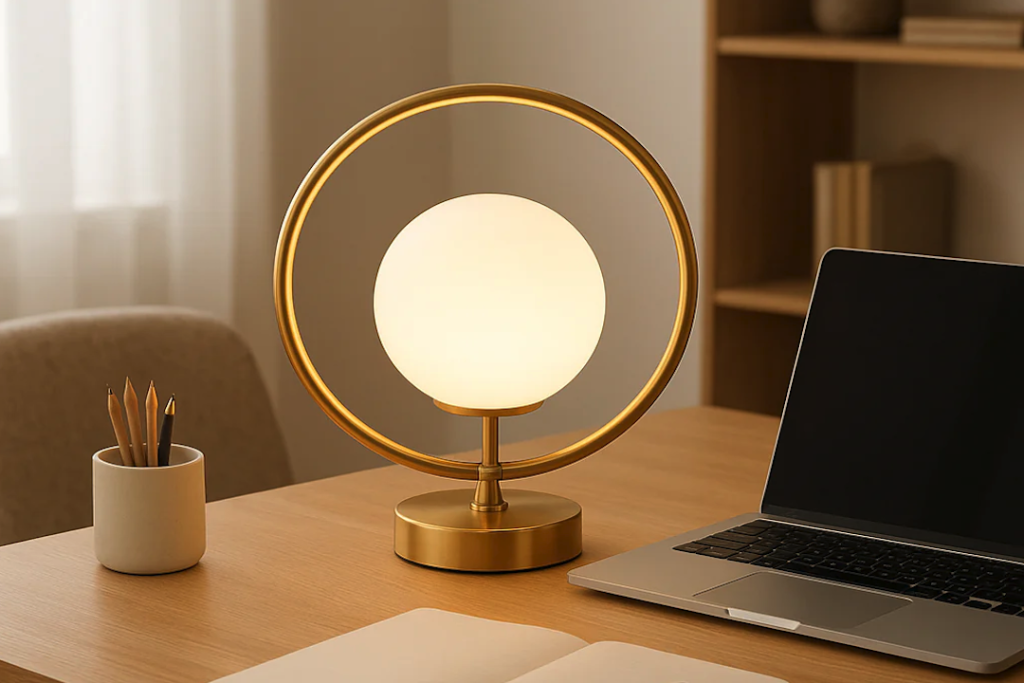
You’re likely wondering if a modern glass desk lamp is a good fit for your home office, especially if you’re aiming for that clean, minimalist look. The short answer is yes, absolutely. These lamps offer a sophisticated blend of form and function, providing focused light for your workspace without adding visual clutter. They’re designed to be more than just a light source; they’re a subtle design element that can elevate the entire feel of your home office.
When we talk about “glass desk lamps,” it’s not just about the material itself, but how it’s incorporated into the design. Glass can be used in several ways, each contributing to a different aesthetic and functional outcome. Think of it as a versatile component that designers leverage to create both subtle and striking pieces.
Transparency and Visual Lightness
One of the key advantages of glass is its inherent transparency. This quality allows light Garralighting to pass through it freely, creating a sense of openness and lightness. In a home office, where space can sometimes feel limited, a lamp that doesn’t feel bulky or heavy can make a significant difference.
- Open Feel: Transparent glass shades or bases contribute to an airy atmosphere. They don’t block light as much as opaque materials might, helping to keep the overall workspace feeling less enclosed.
- Sleek Silhouette: Even when the lamp is off, clear or frosted glass can contribute to a refined, uncluttered look. It’s less about the physical presence and more about the intended form.
Material Durability and Maintenance
While glass might sound delicate, modern manufacturing techniques have made it quite robust, especially when used in desk lamps. You’ll find it’s generally straightforward to keep clean too.
- Resilience: Tempered or thicker glass used in lamp construction is generally resistant to scratches and minor impacts. It’s not something you need to baby excessively.
- Easy Cleaning: A simple wipe with a damp cloth is usually all that’s needed to remove dust or fingerprints. It doesn’t absorb stains or odors like some fabric shades might.
The Aesthetic of Glass
Beyond its practical qualities, glass has a timeless appeal that fits well with minimalist design principles. It can be polished, frosted, colored, or shaped to create a variety of looks.
- Refined Touch: The smooth, often cool surface of glass adds a touch of sophistication you don’t always get with plastic or metal alone.
- Interplay with Light: Glass interacts beautifully with light. It can refract, reflect, and diffuse it, creating interesting visual effects that add depth and character to your desk area.
Minimalism in Home Office Design
The concept of minimalism in a home office isn’t just about having fewer items; it’s about intentionality and functionality. Every piece should serve a purpose and contribute to a calming, productive environment. A glass desk lamp fits perfectly into this philosophy.
Decluttering Your Workspace
A minimalist desk is more than just aesthetically pleasing; it’s a mental aid. Less visual noise means more focus. A well-chosen glass lamp can be a part of this strategy.
- Unobtrusive Design: Many modern glass lamps feature slim profiles and clean lines. They don’t have lots of ornate details or bulky bases that can eat up valuable desk real estate.
- Integrated Function: The lamp’s primary function is lighting, and its design often emphasizes this without adding extraneous elements. It’s the light source, unadorned.
Promoting Focus and Productivity
A calm and organized workspace can directly impact your ability to concentrate. The right lighting plays a crucial role in this.
- Task-Oriented Illumination: Modern desk lamps, including glass ones, are often designed to provide focused light right where you need it. This reduces eye strain and helps you stay on task longer.
- Reduced Distractions: A lamp that blends seamlessly into the background, without being visually demanding, doesn’t pull your attention away from your work.
Creating a Serene Atmosphere
A minimalist home office should feel like a sanctuary, a place where you can retreat to be productive without feeling overwhelmed.
- Calm Aesthetics: The clean lines and often subtle nature of glass lamps contribute to a sense of tranquility. They don’t shout for attention.
- Quality of Light: The type of light a lamp emits is as important as its design. Many modern LED desk lamps offer adjustable color temperatures and brightness, allowing you to tailor the light to your needs and mood.
Types of Modern Glass Desk Lamps
When browsing for one of these lamps, you’ll notice a variety of styles and constructions. Understanding these differences can help you pinpoint the ideal option for your specific needs and aesthetic.
Glass Shade Designs
The shade is often the most prominent glass element and plays a big role in how the light is diffused.
- Frosted Glass Shades: These are very common and offer a soft, diffused light. They prevent glare and create a more even illumination, which is great for reducing eye fatigue during long work sessions. They help create a gentle glow rather than a harsh spotlight.
- Clear or Transparent Glass Shades: Less common for task lighting, clear glass shades are more for decorative effect or when paired with a diffuser inside. The light might be more direct, and the bulb itself could be visible. These are often found in more sculptural or artistic lamp designs.
- Blown Glass Shades: These can offer unique shapes and textures. Depending on the thickness and color of the glass, the light diffusion will vary. Sometimes these are thicker and more opaque, while others are thin and translucent.
Glass Base and Arm Constructions
Sometimes the glass isn’t just in the shade; it’s also part of the lamp’s structure.
- Solid Glass Bases: A substantial glass base can provide stability and add a premium feel. Clear, colored, or frosted glass can be used, and they offer a chance for light to interact with the base itself.
- Glass Arms or Stems: You might find lamps with glass arms or decorative glass elements incorporated into the stem. This is less common for purely functional desk lamps as glass might not offer the same rigidity as metal for adjustable arms, but it can appear in more stylized pieces.
- Integrated Glass Elements: Some designs might feature a small glass accent or a detail embedded within a metal or wooden frame, adding a subtle touch of material contrast and visual interest.
Functional Features Integrated with Glass
Many modern glass lamps come with built-in features that enhance their practicality.
- LED Technology: Almost all modern desk lamps, including glass ones, will use LED bulbs. This means energy efficiency, longer lifespan, and often the ability to adjust brightness and color temperature.
- Adjustable Brightness and Color Temperature: The ability to dim the light or change its warmth (from cool white to warm yellow) is a significant plus for home offices. This allows you to adapt the lighting to different tasks and times of day.
- Touch Controls or Smart Features: You’ll find lamps with intuitive touch controls integrated into the base or stem. Some even offer smart connectivity for app control or voice commands, though these tend to be less common in purely minimalist glass designs.
Choosing the Right Glass Desk Lamp for Your Space
Selecting the perfect glass desk lamp involves considering both its aesthetic and how it will function in your specific home office environment. It’s about finding a balance that suits your needs.
Size and Proportions
The physical dimensions of the lamp are critical, especially in a home office where desk space is usually at a premium.
- Desk Footprint: Measure the area where you plan to place the lamp. Ensure it won’t crowd your monitor, keyboard, or any other essential items. A slim, vertical design often works best for minimalist setups.
- Height of the Lamp: Consider the lamp’s height in relation to your monitor and eye level. You don’t want the light source to be directly in your line of sight or create glare on your screen. Adjustable arms or goosenecks offer flexibility here.
- Scale with Other Furniture: Think about how the lamp’s size relates to the rest of your desk and office furniture. A tiny lamp on a large desk can look out of place, and an oversized lamp on a compact desk can be overwhelming.
Light Quality and Functionality
Beyond just having a light, you need to think about the type of light and how it will serve your workday.
- Task Lighting Needs: Are you primarily reading documents, working on detailed crafts, or just need ambient light? Task lamps with adjustable heads or focused beams are ideal for detailed work.
- Adjustability: Look for lamps with flexible arms, swiveling heads, or height adjustments. This allows you to direct the light precisely where you need it, reducing shadows and eye strain.
- Color Temperature and Brightness: As mentioned, LEDs with adjustable color temperature (measured in Kelvin) are highly beneficial. Cooler temperatures (around 5000K-6500K) are good for focus and attention, while warmer temperatures (around 2700K-3000K) are more relaxing. Dimmable options offer further control.
Material and Finish Considerations
While we’re focusing on glass, how it’s combined with other materials is important for the overall look and feel.
- Complementary Materials: Many minimalist glass lamps feature pairings with brushed metal (like aluminum or stainless steel), wood, or even concrete. Consider which materials best match your existing office decor.
- Glass Finish: Decide whether you prefer clear, frosted, or perhaps a subtle tint. Frosted glass typically provides a softer, more diffused light, while clear glass might allow for more direct illumination or showcase a decorative bulb.
- Base Stability: Even with glass, a stable base is crucial. Check reviews or inspect the lamp to ensure it won’t easily tip over. A wider or heavier base generally offers better stability.
Integrating Glass Lamps into Your Minimalist Aesthetic
Bringing a glass desk lamp into your home office is about more than just placing it on your desk; it’s about making it a considered part of your overall minimalist design.
Creating a Focal Point (or Not)
Minimalism often involves strategic placement. Your lamp can either be a subtle element or a deliberate, understated focal point.
- Subtle Integration: Choose a lamp with a very clean design and a transparent or frosted shade that blends in with the background. The focus remains on your work rather than the lighting fixture.
- Understated Statement Piece: Opt for a lamp with a more unique glass shape or a subtle, colored glass element. It can add a touch of personality without being overwhelming. Think of it as functional sculpture.
- Consider the Light Pattern: Even simple glass lamps cast shadows and create pools of light. Think about how this visual effect contributes to the overall mood and flow of your workspace.
Pairing with Other Desk Accessories
The other items on your desk are just as important as the lamp in maintaining a minimalist look.
- Material Harmony: If your lamp has a brushed metal base, consider other accessories with similar finishes to create a cohesive look. Similarly, if it features wood accents, bring in other wooden elements.
- Color Palette Consistency: Stick to a limited color palette for your desk accessories. Neutral tones like white, black, grey, or natural wood often work well with minimalist aesthetics and complement glass.
- Function Over Form (But Form Matters Too): Choose desk accessories that are both practical and visually appealing. A sleek pen holder, a minimalist notebook, or a simple cable organizer will contribute to the uncluttered feel. Avoid too many small, decorative items.
Lighting for Different Workspace Zones
Your home office might have different functional zones, and your lighting can adapt to them.
- Primary Task Area: This is where your lamp will likely reside, providing focused light for your computer and immediate work surface.
- Secondary Areas: Consider if you have a shelf for reference materials or a small reading nook. You might need a different type of ambient or accent lighting for these areas, but the principle of minimalism should still apply, perhaps with a smaller, more discreet light source.
- Overall Ambiance: Don’t forget the ambient light in your room. If your glass desk lamp is the primary light source, ensure it’s bright enough to illuminate the immediate vicinity without creating harsh contrasts with darker areas of the room. Alternatively, if you have good overhead lighting, your desk lamp can be used purely for focused task lighting.
Maintenance and Longevity of Your Glass Desk Lamp
To ensure your modern glass desk lamp remains a functional and aesthetically pleasing part of your office for years to come, a little care goes a long way.
Regular Cleaning Practices
Keeping your lamp dust-free and smudge-free is straightforward and makes a significant difference in its appearance.
- Dusting: Use a soft, dry microfiber cloth to gently wipe away dust from the glass surfaces. Do this regularly, perhaps once a week, to prevent buildup.
- Cleaning Glass Surfaces: For fingerprints or more stubborn marks, slightly dampen a microfiber cloth with water. You can also use a dedicated glass cleaner, but spray it onto the cloth, not directly onto the lamp, to avoid liquid getting into electrical components. Wipe the glass clean and then dry it with a separate dry cloth to prevent streaks.
- Avoid Abrasives: Never use abrasive cleaners, scouring pads, or harsh chemicals on the glass, as they can scratch or damage the finish.
Bulb Replacement and LED Care
Modern LED lamps have a very long lifespan, but understanding their care is still important.
- LED Lifespan: LEDs are rated for tens of thousands of hours, meaning you’ll likely not need to replace the bulb for many years, if at all.
- Integrated LEDs: Many modern lamps have integrated LEDs that cannot be easily replaced. In this case, if the LED fails, the entire lamp might need to be replaced. This is a consideration when making your purchase – check warranties.
- Replacing Non-Integrated Bulbs: If your lamp uses a standard bulb socket (e.g., E26/E27), ensure you use the correct wattage and type of LED bulb recommended by the manufacturer. Using a bulb that is too powerful could potentially damage the lamp or its wiring.
Inspecting for Wear and Tear
While glass is durable, it’s wise to give your lamp an occasional check-over.
- Examine the Cord: Ensure the power cord is not frayed or damaged. If you notice any issues, stop using the lamp immediately and consult a qualified electrician.
- Check the Base and Arm: Make sure the lamp is still stable and that any adjustable parts (arms, heads) move smoothly and hold their position. If there’s any looseness, it might be a sign of wear.
- Look for Chips or Cracks: While unlikely with regular use, inspect the glass for any small chips or cracks, especially around mounting points. If you find any significant damage, it might be best to retire the lamp for safety reasons.