Enhance Your Space with Recessed LED Downlights for Ceilings
Thinking about upgrading your ceiling lights? Recessed LED downlights are a really popular choice, and for good reason. They offer a clean, modern look and are super efficient, which means better lighting for your home and lower electricity bills. They’re a practical way to brighten up any room without taking up any visual space.
What Exactly Are Recessed LED Downlights?
Ibube Recessed LED downlights, often just called “can lights” or “pot lights,” are light fixtures that are installed directly into the ceiling. Instead of hanging down like a chandelier or sitting on top of the surface, the main body of the fixture is hidden within the ceiling cavity. What you see from below is usually just the trim and the lens. The “LED” part means they use light-emitting diodes, which are a much more energy-efficient and longer-lasting technology compared to older incandescent or halogen bulbs. They provide a focused beam of light, pointing downwards, which is why they’re called “downlights.”
Why Consider LED Downlights for Your Home?
Switching to recessed LED downlights can really transform a space. They provide a sleek, minimalist aesthetic that works with almost any decor style. Plus, they’re incredibly functional, offering even, versatile lighting that can be tailored to your needs. Beyond the looks, the practical benefits are significant.
A Touch of Modern Sophistication
One of the most immediate benefits of recessed LED downlights is the clean lines they bring to a room. Traditional light fixtures can sometimes feel bulky or dated. Downlights, on the other hand, blend seamlessly into the ceiling. This creates a sense of spaciousness and allows your furniture, artwork, and other decorative elements to be the stars of the show. It’s a subtle but impactful way to make your home feel more contemporary.
- Minimalist Appeal: If you appreciate a clean, uncluttered look, downlights are your best friend. They don’t draw attention to themselves, letting the room’s design elements shine.
- Increased Perceived Space: By not hanging down or taking up surface area, downlights can make smaller rooms feel larger and more open.
Energy Efficiency and Longevity
This is where the “LED” part really shines. LEDs are significantly more energy-efficient than older lighting technologies. This means they consume less electricity to produce the same amount of light, leading to noticeable savings on your energy bills. On top of that, LED bulbs last a remarkably long time. We’re talking tens of thousands of hours, which means you’ll be replacing bulbs far less often, saving you money and hassle in the long run.
- Lower Electricity Bills: The difference in energy consumption can be substantial, especially if you have a lot of lights on for extended periods.
- Reduced Maintenance: Imagine not having to climb a ladder to change a lightbulb for years. That’s the reality with LEDs.
- Environmental Impact: Using less energy is also better for the environment, reducing your carbon footprint.
Versatile Lighting Solutions
Recessed LED downlights aren’t just for general room illumination. Their focused beams and the ability to install them in multiple configurations make them incredibly versatile. You can use them to highlight specific architectural features, illuminate artwork, create task lighting in kitchens or workspaces, or simply provide ambient light to make a room feel cozy. The options are quite extensive.
- Task Lighting: Positioned over countertops, desks, or reading nooks, they provide direct, focused light where you need it most.
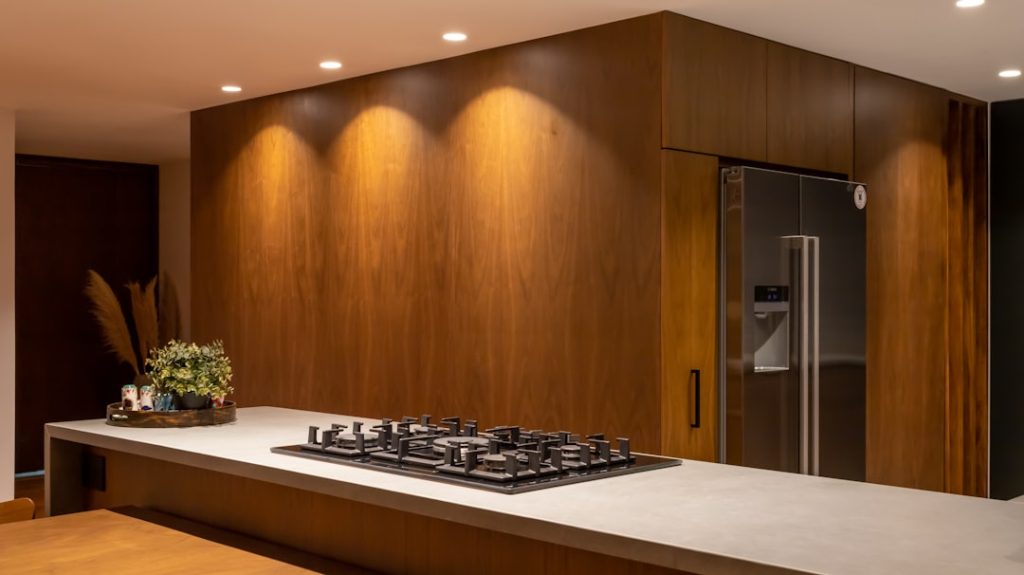
- Accent Lighting: Aim them at artwork, plants, or textured walls to create visual interest and depth.
- Ambient Lighting: Spaced evenly across a ceiling, they offer a soft, diffused glow that makes a room feel inviting.
Different Types of Recessed LED Downlights
Not all downlights are created equal. When you start looking, you’ll see a variety of options, each with its own characteristics. Understanding these differences will help you pick the best ones for your specific needs and the room you’re lighting.
Size and Trim Styles
Recessed downlights come in various sizes, commonly referred to by their “aperture” – the diameter of the visible opening in the ceiling. Common sizes include 2-inch, 4-inch, and 6-inch. The trim is the decorative ring around the light that sits flush with the ceiling. Trims come in many styles, from simple and modern to more traditional architectural designs.
- Aperture Size: Smaller apertures (like 2-inch or 3-inch “mini cans”) are great for accent lighting or in smaller rooms. Larger apertures (4-inch and 6-inch) are typically used for general illumination in larger spaces.
- Trim Finishes: You can find trims in white, black, brushed nickel, chrome, and bronze, among others, so you can match them to your existing decor.
- Trimless Options: Some modern installations use “trimless” or “flangeless” housings, where the fixture is completely hidden by drywall mud for an ultra-sleek look.
Beam Angle and Light Distribution
The beam angle of an LED downlight refers to how wide or narrow the cone of light it emits is. This is a crucial factor in determining how the light will spread and what kind of effect it will create.
- Narrow Beam Angle (e.g., 10-25 degrees): Excellent for accent lighting, spotlighting artwork, or creating dramatic effects. It concentrates light into a smaller, more intense area.
- Medium Beam Angle (e.g., 25-40 degrees): A good all-around choice for general room illumination, providing a balance between coverage and brightness.
- Wide Beam Angle (e.g., 40-60 degrees or more): Ideal for widespread ambient lighting, covering larger areas with fewer fixtures.
Color Temperature
This refers to the “warmth” or “coolness” of the light. It’s measured in Kelvin (K). Choosing the right color temperature can dramatically affect the mood of a room.
- Warm White (2700K-3000K): Similar to traditional incandescent bulbs, this creates a cozy, inviting atmosphere. Great for living rooms, bedrooms, and dining areas.
- Neutral White (3500K-4000K): A crisp, clean white light. Good for kitchens, bathrooms, and home offices where good visibility is important.
- Cool White/Daylight (5000K+): Mimics natural daylight. Can make a space feel very bright and alert. Often used in garages, workshops, or areas where maximum visibility is needed.
Dimmability and Smart Features
Many LED downlights are dimmable, allowing you to control the light intensity and create different moods. This is a must-have for many people wanting flexible lighting. Increasingly, you’ll also find smart LED downlights that can be controlled via apps on your phone or voice assistants like Alexa or Google Assistant. Some smart lights even offer color-changing capabilities.
- Dimmability: Ensure your downlights are labeled “dimmable” and use a compatible dimmer switch for smooth operation.
- Smart Home Integration: Connect lights to your smart home ecosystem for scheduling, remote control, and integration with other smart devices.
- Tunable White: Some fixtures allow you to adjust the color temperature, so you can go from warm and cozy in the evening to bright and energizing during the day.
Planning Your Recessed LED Downlight Installation
Before you dive in and start drilling holes in your ceiling, some careful planning is essential. Proper placement and spacing are key to achieving the lighting effect you desire and avoiding common pitfalls.
Determining Placement and Spacing
The ideal placement and spacing depend on several factors: your room’s layout, the size of the room, the ceiling height, and the purpose of the lighting (general, task, or accent). A good rule of thumb for general lighting is to space fixtures evenly, often following the joist layout. For task lighting, position them directly over the area that needs illumination.
- General Illumination: For a even spread of light, a common guideline is to space 4-inch or 6-inch downlights about 4 to 6 feet apart. However, this can vary depending on the lumen output of the fixture and your ceiling height.
- Task Lighting: In kitchens, position lights directly over countertops, typically about 2-3 feet from the cabinet wall. In offices, place them over your desk.
- Accent Lighting: Position these to “wash” a wall or highlight a specific object, often a few feet away from the object being lit.
- Avoid Glare: Be mindful of where people will be looking. Avoid placing lights directly in the line of sight to prevent uncomfortable glare.
Considering Ceiling Type and Height
The type of ceiling you have (drywall, plaster, suspended ceiling) and its height will influence your installation. For standard drywall ceilings, the process is relatively straightforward. Higher ceilings might require brighter fixtures or closer spacing to achieve adequate light levels.
- Drywall Ceilings: Most common and easiest to work with.
- Plaster Ceilings: Can be more brittle and may require specialized tools or techniques.
- Suspended Ceilings: Downlights can be installed in suspended ceiling grids, often using special clips or frames.
- Ceiling Height: Higher ceilings generally need more powerful bulbs (higher lumens) or more fixtures to illuminate the room effectively.
Understanding Electrical Requirements
Installing new light fixtures means dealing with electricity. It’s crucial to understand the electrical load and ensure your existing wiring can handle the new fixtures, especially if you’re adding a significant number. If you’re not comfortable with electrical work, it’s always best to hire a qualified electrician.
- Circuit Load: Calculate the total wattage of your new fixtures and ensure they don’t overload your existing electrical circuit.
- Wiring: New fixtures will require connections to your home’s electrical wiring.
- Dimmer Switches: If you plan on dimming, make sure you have compatible dimmer switches installed.
Benefits of Dimmable LED Downlights
Dimmable LED downlights offer a significant upgrade in flexibility and ambiance for any room. They allow you to fine-tune the lighting to match the activity and mood of the space. This is a feature that many people consider essential once they experience it.
Creating Ambiance and Mood
The ability to dim lights is a game-changer for setting the mood. Imagine hosting a dinner party – you can have bright, functional lighting while people are eating, then dim it down to create a more intimate and relaxed atmosphere for after-dinner conversation. In a living room, you can adjust the light for watching a movie, reading a book, or simply unwinding.
- Entertaining: From bright and welcoming for guests arriving to soft and intimate for a relaxed evening.
- Relaxation: Dimming lights can help create a calming environment conducive to unwinding after a long day.
- Activity Specific: Adjusting brightness for different tasks, such as bright for cooking or reading, and dim for watching TV.
Energy Savings Through Dimming
Beyond the inherent energy efficiency of LEDs, dimming them further reduces electricity consumption. When a light is dimmed, it uses less power. This translates into even greater savings on your energy bills, particularly if you consistently use your lights at lower brightness levels.
- Reduced Power Consumption: Directly proportional to the dimming level.
- Extended Lifespan: Dimming can also contribute to a longer lifespan for LED bulbs by reducing the stress on the components over time.
Extended Lifespan and Reduced Maintenance
Dimming LEDs not only saves energy but can also contribute to their longevity. By not running them at their maximum brightness all the time, you’re putting less strain on the internal components. This means fewer replacements and less frequent maintenance, which is always a welcome bonus.
- Less Heat Generation: Lower brightness levels often mean less heat is produced, which is good for the fixture and the surrounding ceiling materials.
- Fewer Bulb Replacements: This is a significant benefit, especially in rooms with high ceilings or multiple fixtures that are difficult to access.
Installation Considerations and Professional Help
While many homeowners tackle minor electrical upgrades themselves, installing recessed lighting is often best left to the professionals. It involves working with your home’s electrical system and requires precision to ensure safety and optimal performance.
DIY vs. Professional Installation
For those with a solid understanding of electrical wiring and a good set of tools, a DIY installation is possible. However, if you’re unsure about any aspect of the process, or if your home’s wiring is older or complex, hiring a qualified electrician is definitely the safer and more reliable option.
- DIY: Requires knowledge of electrical codes, proper wiring techniques, and the right tools. Mistakes can be costly and dangerous.
- Professional: Ensures the job is done safely, correctly, and to code. Electricians also have specialized tools and experience to troubleshoot potential issues.
Safety Precautions During Installation
If you do decide to go the DIY route, safety must be your absolute top priority. Always turn off the power to the circuit you’re working on at the main breaker box before you start. Use a voltage tester to confirm the power is off. Wear safety glasses and take your time.
- Turn Off Power: Always de-energize the circuit at the breaker.
- Test for Power: Use a non-contact voltage tester to confirm the wires are dead before touching them.
- Follow Manufacturer Instructions: Each fixture will have specific installation guidelines.
- Proper Grounding: Ensure all fixtures are properly grounded for safety.
When to Call an Electrician
If you’re installing a large number of fixtures, if your ceiling has existing wiring that’s unclear, or if you encounter any unexpected issues, it’s time to call in a professional. They have the expertise to handle complex situations and ensure everything is up to code.
- Complex Wiring: If you have mixed wiring types or an older electrical panel.
- Multiple Fixtures: Adding a significant load to a circuit.
- Uncertainty: If you’re ever in doubt about any step of the process.
- Building Codes: Electricians are up-to-date on local building and electrical codes.
Recessed LED downlights are a fantastic way to modernize your home, improve its functionality, and potentially save on energy costs. By understanding the different options available and planning your installation carefully, you can create a beautifully lit space that you’ll enjoy for years to come.