Elegant Modern Chandelier: A Dining Room Statement
So, you’re wondering how to pick an elegant modern chandelier for your dining room and make it a real showstopper? The quickest answer is this: focus on clean lines, sophisticated materials, and appropriate scale. It’s about finding that perfect balance between contemporary aesthetics and timeless appeal, ensuring it complements your decor without overpowering it. Let’s delve into the details.
A dining room chandelier isn’t just about light; it’s a centerpiece, a conversation starter. In a modern home, this piece needs to do more than illuminate your meals. It needs to articulate your style, enhance the dining experience, and contribute to the overall architectural narrative of your space. An elegant modern chandelier can transform an ordinary dining area into a sophisticated gathering spot. It’s an opportunity to infuse personality and polish into one of the most used rooms in your home.
Beyond Basic Functionality
Think of your chandelier as functional art. While it certainly needs to provide ample light Mosundesign for dining, its form can be as important as its function. This isn’t the place for a utilitarian flush mount. Here, you have the chance to make a statement, to draw the eye, and to set a mood.
Setting the Right Atmosphere
The kind of light a chandelier casts significantly impacts the dining experience. A well-chosen modern chandelier will offer not just bright general illumination but also the ability to dim, allowing you to shift from family dinners to intimate gatherings with ease. It’s about creating layers of light that adapt to various occasions.
Defining “Elegant Modern” in Chandelier Design
“Elegant modern” isn’t a contradiction; it’s a specific design philosophy. It shuns the ornate, intricate details of traditional chandeliers in favor of sleek, minimalist forms. Yet, it avoids the stark, sometimes cold, feel of purely industrial designs. The elegance comes from refined materials, thoughtful proportions, and a sense of understated luxury.
Clean Lines and Geometric Forms
Modern elegant chandeliers often feature crisp lines, geometric shapes, and a sense of visual lightness. You’ll see spheres, cylinders, linear arrangements, and abstract forms. The beauty lies in their simplicity and precision. The lack of excessive ornamentation is key here; the focus is on the inherent beauty of the structure.
- Linear Designs: These are fantastic over rectangular dining tables, offering even light distribution and a contemporary aesthetic. Imagine a long bar with multiple integrated LED lights or a series of independent pendants suspended from a single canopy.
- Sputnik-Inspired: Echoing mid-century modern design, these fixtures splay out like celestial bodies, often with multiple arms culminating in bare bulbs or small shades. They offer a playful yet sophisticated vibe.
- Abstract Sculptural Pieces: These border on art installations, with unique arrangements of materials like bent metal, glass, or even wood. They become the focal point by their sheer originality.
Sophisticated Materials and Finishes
The materials used in modern elegant chandeliers are crucial to their aesthetic. They are chosen for their intrinsic beauty and ability to complement clean designs.
- Brushed Metals: Think brushed brass, matte black, oil-rubbed bronze, or polished nickel. These finishes provide a subtle sheen without being overly flashy. They add a touch of warmth or industrial chic depending on the specific finish.
- Brushed Brass: Offers a warm, subtle glow that pairs beautifully with earthy tones and rich wood. It’s less glaring than polished brass, providing an understated luxury.
- Matte Black: A bold, contemporary choice that creates a striking contrast, especially in lighter-toned rooms. It’s versatile and pairs well with industrial or minimalist styles.
- Polished Nickel/Chrome: Provides a bright, reflective surface that works well in sleek, highly modern spaces, adding a touch of brilliance.
- Clear or Frosted Glass: Used for shades, spheres, or diffusers, glass contributes to a light, airy feel and allows for soft, diffused light. Beyond standard glass, consider ribbed, smoked, or etched varieties for added texture.
- Opal Glass: Creates a soft, uniform glow, ideal for task lighting without harsh glare.
- Smoked Glass: Adds a dramatic, sophisticated touch, often paired with exposed bulbs for a moody ambiance.
- Ribbed or Textured Glass: Introduces tactile interest and unique light patterns.
- Crystal (Used Sparingly): Unlike traditional chandeliers dripping with crystal, modern elegant versions use crystal sparingly, perhaps a few carefully placed rods or geometric shapes, for a hint of sparkle without the fuss. It’s about strategic placement to catch the light, not overwhelm it.
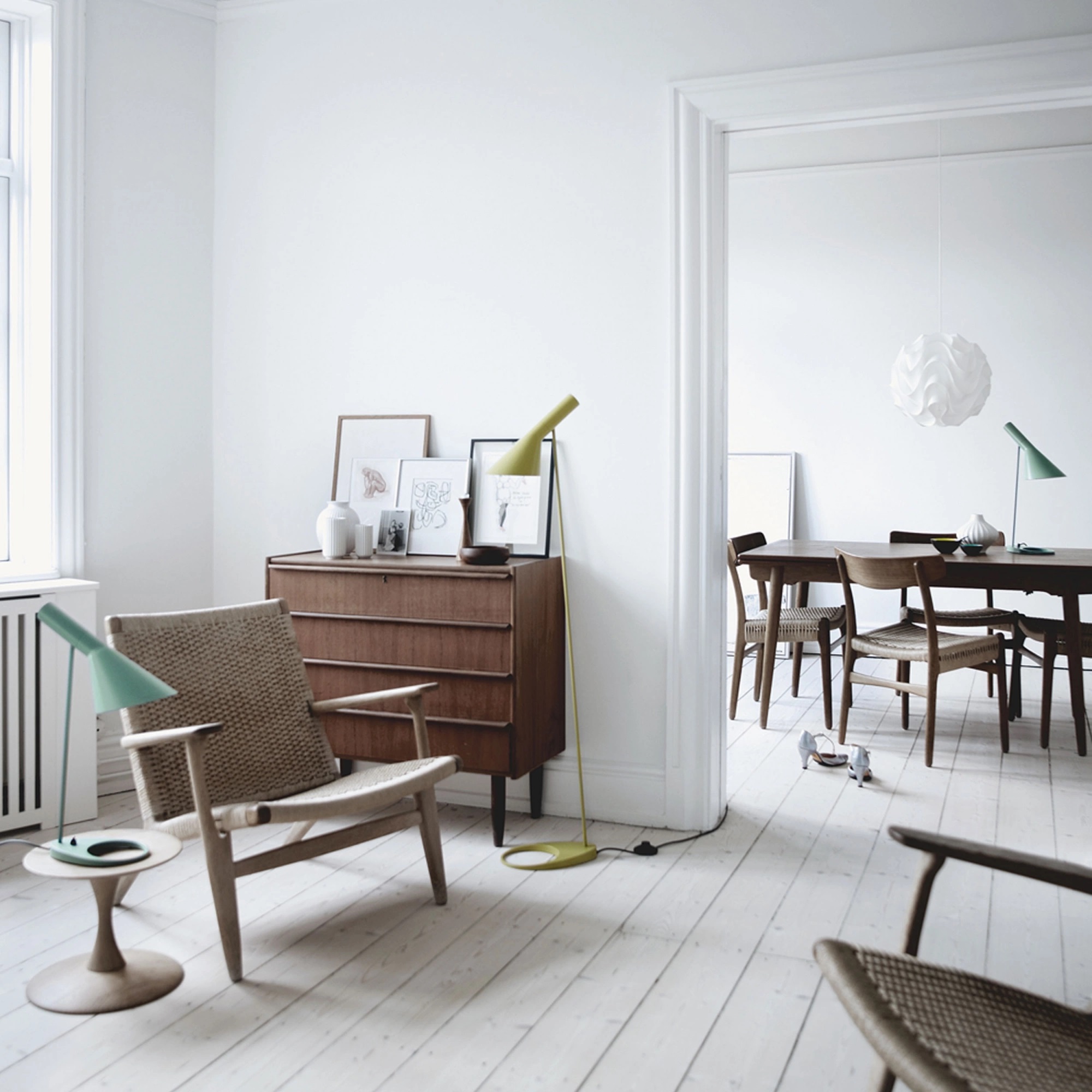
- Wood Accents: In some cases, a touch of natural wood can introduce warmth and an organic feel, balancing the sleekness of metal. This is particularly effective in designs leaning towards a Scandinavian or modern rustic aesthetic.
Crucial Considerations for Your Dining Room
Before falling in love with a particular design, it’s essential to consider the practicalities. The wrong size or type of chandelier can throw off the entire room.
Sizing It Right: The Golden Rules
This is arguably the most critical factor. A chandelier that’s too small gets lost; one that’s too large overwhelms.
- Diameter Guideline: A common rule of thumb is that the diameter of your chandelier should be about half to two-thirds the width of your dining table. So, for a 42-inch wide table, look for a chandelier between 21 and 28 inches in diameter.
- Table Shape Matters:
- Rectangular Tables: A linear chandelier or a series of multiple pendants works beautifully. The length of a linear fixture should ideally be about two-thirds the length of your table.
- Round or Square Tables: A single, central chandelier is usually the best choice, adhering to the diameter guideline.
- Room Size: While focusing on the table is good, don’t ignore the room itself. If your dining room is particularly large, you might be able to go a little larger with the chandelier, or even consider two smaller ones in a very long room, if the design allows. A helpful, albeit broad, rule is that the diameter of your chandelier in inches should roughly equal the sum of the room’s length and width in feet (e.g., for a 10’x12’ room, aim for a 22-inch diameter). This is more for general room lighting, but useful if your dining table is centrally located.
Hanging Height: Avoiding Head Bumps
This is where many people go wrong! You want the chandelier to illuminate without being an obstacle.
- Standard Height: The bottom of the chandelier should typically hang about 30-36 inches above the dining table surface. This allows for clear sight lines across the table and prevents heads from bumping into it.
- Ceiling Height Exception: If you have exceptionally high ceilings (10+ feet), you can go a bit higher, perhaps 36-40 inches, to maintain proportion with the room. For lower ceilings (8 feet), stick closer to 30 inches.
- Visual Test: After installation, stand back and assess. Can people comfortably see each other across the table? Does it feel visually balanced?
Lighting Quality and Control
Beyond the looks, how the chandelier actually lights your space is paramount.
- Dimmability: This is non-negotiable for a dining room. You need bright light for board games or homework and soft, atmospheric light for dinner parties. Ensure both the fixture and the bulbs you choose are dimmable, and install a compatible dimmer switch.
- Bulb Type and Color Temperature:
- LED: Modern chandeliers often integrate LED technology, known for energy efficiency and longevity.
- Color Temperature (Kelvin): For dining rooms, aim for warmer light.
- 2700K – 3000K (Warm White): This is ideal for a cozy, inviting dining atmosphere. It enhances food colors and makes people look good.
- Avoid anything above 3500K, which can feel too cool or sterile for a dining space.
- Light Distribution: Consider how the light spreads. Does it focus downward, or does it also cast ambient light upward or outward? Diffused light is generally preferable for dining to avoid harsh shadows.
Complementing Your Existing Decor
An elegant modern chandelier should integrate seamlessly with your dining room’s existing style, not clash with it. Think of it as the crowning jewel, not an alien invasion.
Harmonizing with Your Dining Table and Chairs
The design of your dining table and chairs should inform your chandelier choice.
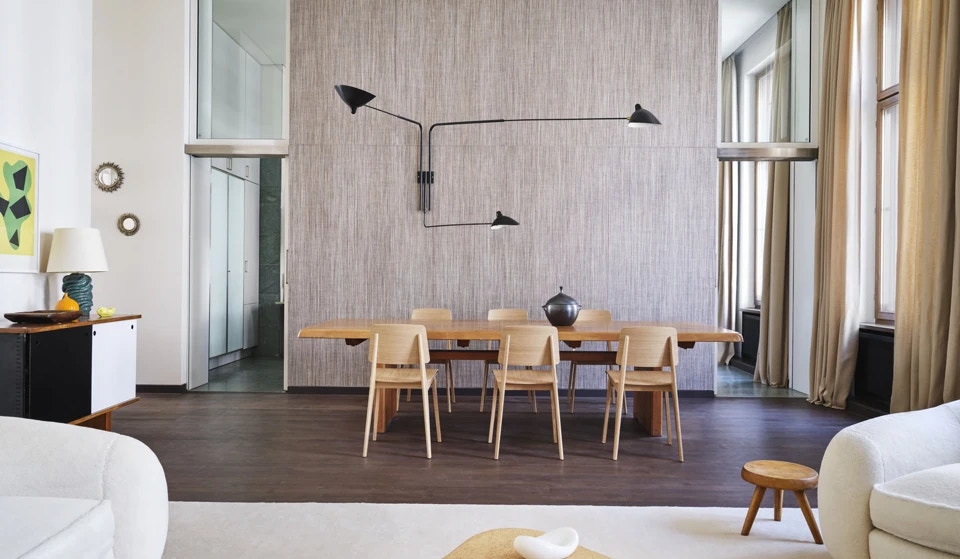
- Sleek Modern Table: A minimalist linear chandelier or a geometric art piece would be a natural fit.
- Rustic Modern Table (e.g., live edge wood): Consider a chandelier with matte black metal and perhaps some organic elements like textured glass or even subtle wood accents to bridge the styles.
- Mid-Century Modern Chairs: A sputnik-style chandelier or one with clean, sculptural forms would enhance the retro-modern vibe.
Integrating with Wall Colors and Art
Take a look at your walls. Are they bright and airy, or deep and moody?
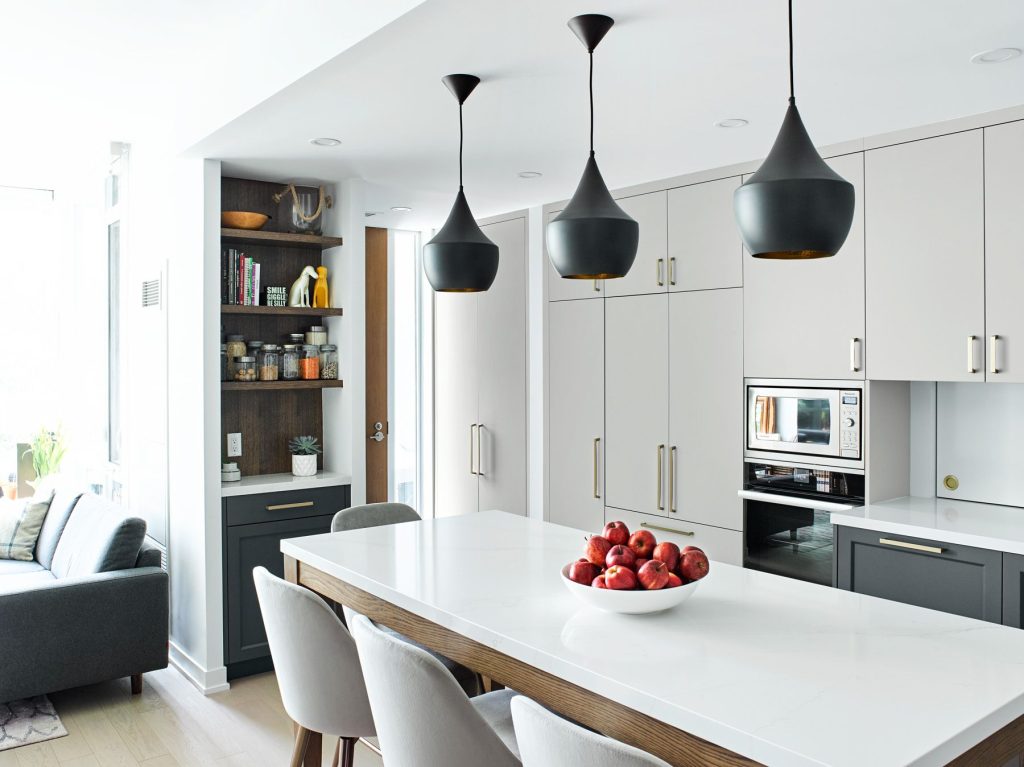
- Light Walls: A darker metal chandelier (matte black, oil-rubbed bronze) can provide a striking contrast and ground the space. A lighter, airier piece with polished chrome or brushed nickel can disappear more subtly.
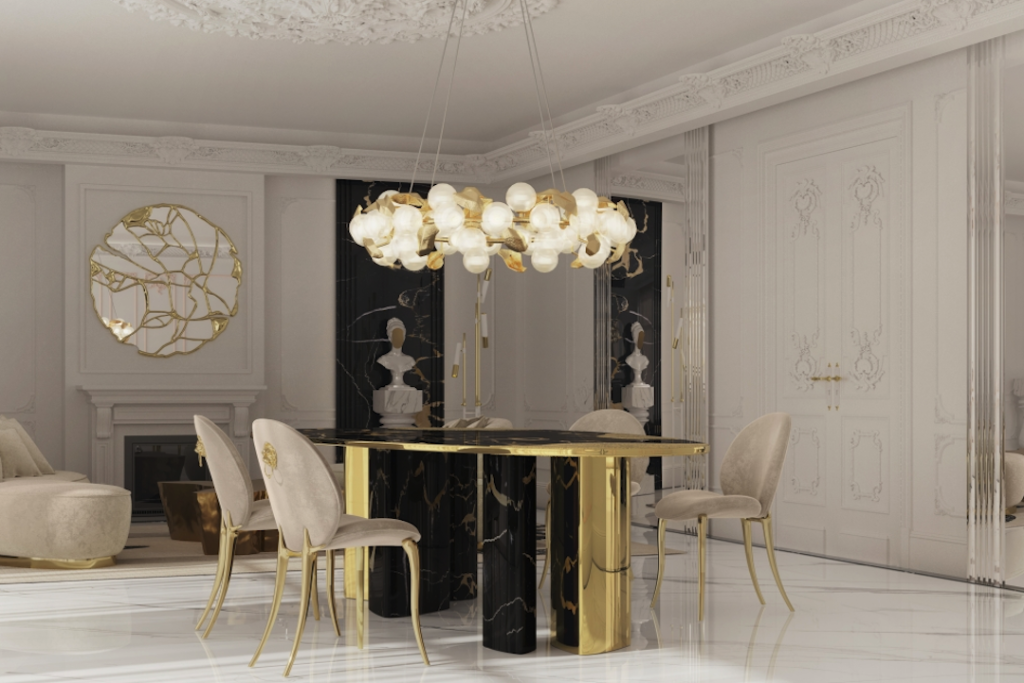
- Dark Walls: A brass or gold chandelier can create a luxurious focal point against a dark backdrop, while a simpler, lighter fixture can pop.
- Artwork: If you have prominent artwork on your dining room walls, choose a chandelier that complements its colors or lines without competing with it for attention. Sometimes, restraint is key – let the art shine and the chandelier provide beautiful, subtle lighting.
Flooring and Overall Room Character
Don’t forget the floor! The visual weight of your chandelier should be balanced by the elements below it.
- Wood Floors: A chandelier with warm metal tones (brass, bronze) or natural wood elements can play nicely with the warmth of timber floors.
- Tile or Concrete Floors: Cooler metals (nickel, chrome) or more industrial-inspired designs can align with the utilitarian elegance of these materials.
- Overall Vibe: Is your dining room leaning towards minimalist, industrial, Scandinavian, or a more eclectic modern blend? Your chandelier should reflect and amplify that overall character. For a minimalist space, a single, impactful geometric form might be perfect. For an eclectic room, something with a bit more artistic flair could work.
Maintenance and Longevity
An elegant modern chandelier isn’t just about initial beauty; it’s about lasting appeal and ease of care. Nobody wants a beautiful fixture that’s a nightmare to clean or constantly needs new bulbs.
Ease of Cleaning
Modern designs often excel here. With fewer intricate parts and smoother surfaces, they tend to collect less dust and are simpler to wipe down.
- Smooth Surfaces: Glass spheres, metal rods, or integrated LED strips are generally easier to clean than faceted crystals or fabric shades. A quick wipe with a microfiber cloth should suffice.
- Accessibility: Consider how easy it will be to reach and clean all parts of the fixture, especially if it’s hanging high. Avoid designs with too many nooks and crannies or fragile, hard-to-reach elements.
Bulb Replacement and Integrated LEDs
This is a practical point often overlooked.
- Standard Sockets: If your chandelier uses standard Edison base bulbs (E26/E27), replacement is straightforward. Just ensure you can easily access the sockets.
- Integrated LEDs: Many modern chandeliers now come with integrated LED modules. While these offer incredible longevity (often tens of thousands of hours), they can be more challenging to replace if they do fail. Check the manufacturer’s warranty and replacement policy. Reputable brands will often offer replacement kits for their integrated LED components.
- Number of Bulbs: A chandelier with many small bulbs might look stunning, but remember that replacing them all can be a chore and an ongoing expense.
Durability of Materials
High-quality materials not only look better but also last longer.
- Metal Finishes: Look for electroplated or powder-coated finishes, which are more durable and resistant to tarnishing than simple spray paint. These will retain their luster for years.
- Glass Quality: Thick, well-made glass diffusers or shades are less prone to chipping or discoloration.
- Reputable Brands: Investing in a chandelier from a well-regarded manufacturer often means better materials, construction, and customer support. They tend to stand behind their products.
Choosing an elegant modern chandelier for your dining room is a delightful endeavor that blends aesthetics with practicality. By considering scale, materials, light quality, and how it harmonizes with your existing decor, you can select a fixture that not only lights your meals but also elevates your entire space into a sophisticated statement. Take your time, explore different styles, and imagine how each piece will feel in your home. The right chandelier won’t just illuminate; it will inspire.