Timeless Elegance: Vintage Glass Table Lamp for Bedside Lighting
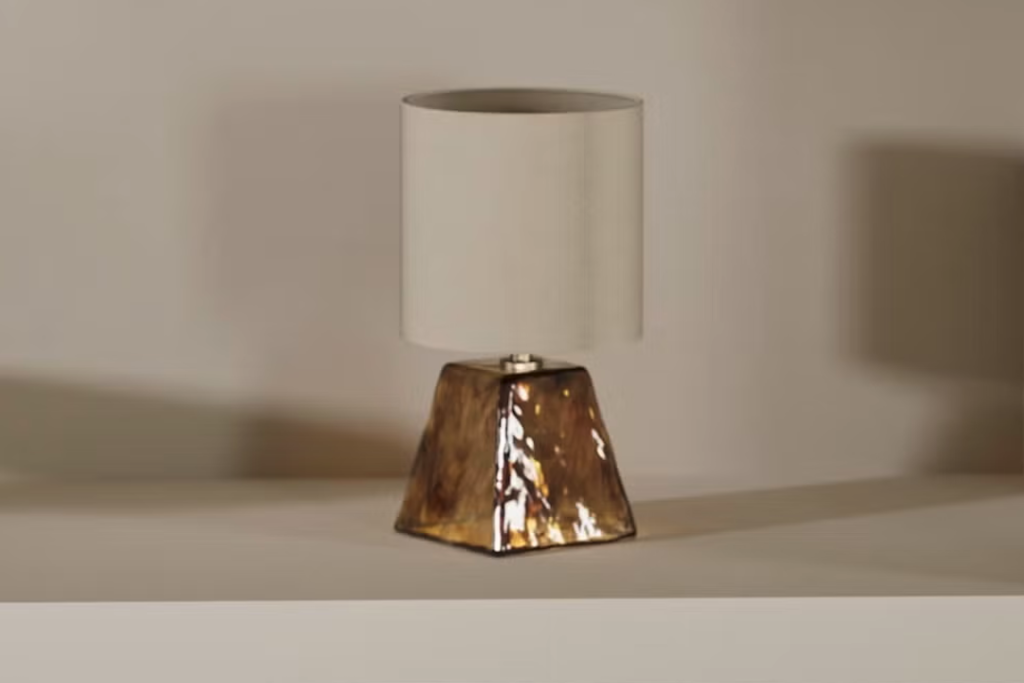
When it comes to bedside lighting, a vintage glass table lamp can offer a unique blend of style and practicality that mass-produced modern alternatives often lack. These lamps, with their rich history and often handcrafted details, do more than just illuminate a space – they add character and a sense of enduring charm. Think about it: instead of a generic lamp that could be in any hotel room, you get a piece that tells a story, perhaps one of bygone eras and meticulous craftsmanship. This article will delve into why vintage glass lamps are a smart choice for your bedside, what to look for, and how to integrate them seamlessly into your home.
Choosing a vintage glass table lamp Ozojo for your bedside isn’t just about aesthetics; it’s also a practical decision. Here’s why they often trump their contemporary counterparts.
Unparalleled Character and Craftsmanship
Modern lamps, while often sleek, can sometimes feel a bit cold and impersonal. Vintage lamps, especially those with glass elements, bring a warmth and personality that’s hard to replicate.
Handblown Details and Unique Imperfections
Many vintage glass lamps were handblown, meaning each piece has subtle variations and unique imperfections that make it one-of-a-kind. These aren’t flaws; they’re markers of authenticity and a testament to human touch in a world increasingly dominated by machine-made goods. You might notice slight differences in glass thickness, tiny air bubbles, or variations in color tone – all contributing to its individual charm. This contrasts sharply with the uniform, mass-produced look of many modern lamps. These small intricacies can create interesting light refractions and patterns when the lamp is lit, adding another layer of visual interest to your room.
A Glimpse into Design History
Vintage lamps often reflect the design trends of their era, whether it’s the ornate opulence of Art Nouveau, the geometric simplicity of Art Deco, or the mid-century modern aesthetic. Acquiring a vintage lamp is like owning a small piece of design history. It can spark conversation and demonstrate an appreciation for enduring style, allowing your bedside table to become a focal point that tells a story. This historical context can be a grounding element in a contemporary space, creating an eclectic and well-curated feel rather than one that feels stark or overly themed.
Durability and Quality Materials
Don’t let the word “vintage” mislead you into thinking these lamps are fragile. Many were built to last using high-quality materials and construction techniques.
Solid Construction and Heavier Bases
Unlike some flimsy modern lamps built from lightweight plastics or thin metals, vintage lamps often feature solid, substantial bases made from brass, bronze, or thick glass. This not only contributes to their robust feel but also makes them more stable and less prone to tipping, which is a significant safety advantage on a bedside table where space can be limited. The weight provides a reassuring sense of permanence. This also means they are less likely to be accidentally knocked over during a groggy midnight reach for a glass of water or a book.
Genuine Metals and Finishes
You’re more likely to find genuine brass, copper, or bronze in vintage lamps, rather than plated or painted imitations. These metals acquire a beautiful patina over time, adding to their character. Even in cases where the metal has been painted, the underlying material is often of higher quality than what’s found in many current budget options. This quality of material contributes to the overall longevity and value of the lamp. The natural aging process of these metals can also complement various interior styles, from rustic to sophisticated.
Different Styles of Vintage Glass Bedside Lamps
The world of vintage glass lamps is vast and varied. Understanding the different styles can help you pinpoint one that best suits your personal aesthetic.
Art Deco Glass Lamps
Characterized by geometric shapes, clean lines, and often bold, symmetrical designs, Art Deco lamps exude sophistication.
Frosted and Molded Glass Shades
Art Deco glass shades often feature frosted or opalescent glass, sometimes with intricate molded patterns like stepped designs, chevrons, or sunbursts. These patterns soften the light, creating a diffused, ambient glow that’s perfect for a bedside table without being harsh. The glass can also be tinted in subtle shades of peach, rose, or green, adding a hint of color to the emitted light. Look for examples with chrome or nickel bases that complement the glass.
Chrome and Bakelite Accents
Alongside the glass, Art Deco lamps frequently incorporate chrome or polished nickel accents, providing a sleek, reflective contrast. Bakelite, an early form of plastic, was also popular for bases and switches, offering a durable and often beautifully mottled finish. These material combinations are distinctive to the era and add to the lamp’s historical appeal. The interplay of materials creates a sense of luxury and modernity that defined the interwar period.
Mid-Century Modern Glass Lamps
From the 1940s to the 1960s, mid-century modern design embraced organic forms, innovative materials, and a sense of optimism.
Sculptural Glass Bases
Many mid-century lamps feature striking, sculptural glass bases. These could be spherical, teardrop-shaped, or even abstract forms, often in vibrant colors like olive green, amber, or turquoise. The glass itself becomes a decorative element. Paired with simple drum shades, these bases really stand out. The intentional asymmetry or unique profiles of these bases can add a dynamic visual interest to a bedside scene.
Textured and Colored Glass
Textured glass, such as hobnail or crackle glass, was also popular, adding tactile interest. Colored glass wasn’t just painted; it was often infused into the glass itself during the blowing process, creating rich, lasting hues. These lamps often provided a warm, inviting light, sometimes enhanced by the colored glass. The way light plays through these textures can be quite captivating, especially when the lamp is the sole light source.
Victorian and Edwardian Glass Lamps
These earlier styles often showcase ornate designs and a romantic sensibility, though they might be less common as bedside lamps due to their typically larger size.
Acid-Etched and Hand-Painted Glass Shades
Victorian and Edwardian lamps frequently feature elaborately decorated glass shades, often acid-etched with botanical motifs or hand-painted with floral designs. These shades create a very soft, diffused light, ideal for a subdued bedside atmosphere. The level of detail often reflects the luxury and craftsmanship of the era. The artistry involved in these types of shades means each lamp is truly a work of art, deserving of admiration.
Brass and Bronze Bases
These lamps almost invariably had solid brass or bronze bases, often intricately cast with decorative elements like cherubs, columns, or scrollwork. The aged patina of these metals adds to their antique charm. While some can be quite large, smaller boudoir lamps in these styles can be an elegant choice for a more traditional bedroom. The weight and richness of these metallic bases anchor the lamp and contribute to its opulent feel.
What to Look for When Buying a Vintage Glass Lamp
Buying vintage requires a bit more discernment than buying new. Here’s what to keep in mind to ensure you get a quality, functional piece.
Electrical Integrity
This is arguably the most crucial aspect when purchasing any vintage lamp. Safety first!
Wiring and Plugs
Always inspect the wiring. Look for frayed or brittle insulation, exposed copper, or cracked plugs. If the wiring looks old or damaged, assume it needs to be rewired by a qualified electrician before use. Rewiring is a common and relatively inexpensive process for vintage lamps and should not deter you from a beautiful piece. A new cord and plug can enhance safety and often bring the lamp up to modern electrical standards.
Sockets and Switches
Check the socket for cracks or corrosion. Test the switch if possible – it should operate smoothly and consistently. Old push-through or turn-key switches can sometimes fail. Again, these components are replaceable, but factor the cost and effort into your decision. Sometimes, a lamp might just need a simple switch replacement to be fully operational and safe.
Glass Condition
The glass is often the star component, so its condition is paramount.
Cracks, Chips, and Scratches
Inspect the glass thoroughly for cracks, chips, or significant scratches. Minor surface scratches or small internal bubbles are often part of a vintage piece’s character and generally don’t detract from its value or aesthetics. However, larger cracks, especially on structural components, can weaken the lamp and diminish its appearance. Run your fingers over the glass; sometimes, damage is easier to feel than to see.
Discoloration and Residue
Over time, some glass can develop a slight yellowing or cloudy residue, especially if it was exposed to smoke or certain chemicals. While some of this might be cleanable, significant discoloration or etching that won’t come off can affect the lamp’s appearance. Consider if the perceived imperfection is charming “patina” or genuine damage you can’t live with. This can be particularly true for opalescent or frosted glass.
Overall Aesthetic and Fit
Beyond condition, consider how the lamp will integrate into your space and serve its function.
Scale and Proportion
Measure your bedside table and consider the height of your bed and mattress. A lamp that’s too tall or too short will look awkward and may not provide optimal lighting. The bottom of the lampshade should ideally be at or slightly below your eye level when you’re seated in bed, to avoid glare. Ensure the lampshade itself is proportionate to the base. A too-small shade can make a substantial base look top-heavy, and vice-versa.
Shade Compatibility and Replacement
Many vintage lamps are sold without their original shades, or the original shade is damaged. If this is the case, consider the cost and availability of a suitable replacement. A well-chosen modern shade can beautifully complement a vintage base, but a poorly matched one can detract from the lamp’s appeal. Take measurements of the fitter (the part of the lamp where the shade attaches) to ensure a new shade will fit. Consider a simple linen or silk shade to let the vintage glass base shine.
Integrating Vintage Glass Lamps into Your Bedroom
Once you have your vintage treasure, how do you make it an integral part of your bedroom’s design?
Pairing with Modern Decor
Vintage doesn’t mean your room has to look like a time capsule. Mixing old and new often creates the most interesting and sophisticated spaces.
Harmonizing with Color Palettes
A vintage glass lamp can serve as an accent color or a harmonizing element. For example, a mid-century amber glass lamp could beautifully complement a bedroom with earthy tones, or a clear Art Deco lamp with a frosted shade could add understated elegance to a minimalist space. Consider the intensity of the lamp’s color and how it will interact with your existing wall colors, bedding, and artwork.
Creating Contrast and Interest
Sometimes, the best integration comes from deliberate contrast. A ornate Victorian glass lamp could look strikingly chic in a very contemporary, streamlined bedroom, creating an unexpected focal point. The juxtaposition of old-world charm with modern simplicity can prevent a room from feeling too sterile or generic, adding depth and visual intrigue. This approach highlights both the vintage piece and the modern setting.
Optimal Placement and Lighting
Beyond aesthetics, practicality is key for a bedside lamp.
Functionality for Reading and Ambiance
Position your lamp so it provides sufficient light for reading without causing glare. The height of the lamp relative to your bed matters. For ambiance, consider using a dimmer switch (if the lamp’s wiring and bulb type allow for it) to adjust the light intensity. A soft, warm glow is often preferred for winding down in the evening. The type of light bulb you choose will also impact the overall mood; opt for warmer color temperatures.
Complementing Other Lighting Sources
A bedside lamp shouldn’t be your only light source in the bedroom. It should complement overhead lighting or other task lighting. Its primary role is often focused task lighting and creating a cozy, intimate atmosphere. Ensure its light output doesn’t clash with, but rather enhances, the overall lighting scheme of the room, creating layers of light that contribute to a serene space.
Care and Maintenance of Your Vintage Glass Lamp
To ensure your vintage glass lamp continues to shine for years to come, some basic care is needed.
Gentle Cleaning Techniques
Keep your lamp looking its best with regular, gentle cleaning.
Dusting and Wiping Glass Surfaces
For general dusting, a soft, dry microfiber cloth is usually sufficient. To remove fingerprints or light smudges, dampen a soft cloth with a mild glass cleaner (avoiding harsh chemicals that could corrode metal or damage antique finishes) and wipe gently. For textured or etched glass, a soft brush might help dislodge dust from intricate patterns. Always avoid spraying cleaner directly onto the lamp to prevent moisture from getting into electrical components.
Polishing Metal Bases (If Applicable)
If your lamp has a brass, copper, or bronze base, you might choose to polish it, but do so carefully. Many collectors prefer the natural patina that develops over time, as it adds character and value. If you do polish, use a metal-specific polish and follow the manufacturer’s instructions. Test on an inconspicuous area first. Avoid harsh abrasives that can scratch the finish.
Ongoing Electrical Safety
Regular checks can prevent potential problems.
Periodic Wiring Inspections
Even if the lamp was professionally rewired, it’s a good idea to periodically check the wiring for any signs of wear. If you notice any damage, consult an electrician immediately. This simple safety check can provide peace of mind and extend the life of your lamp and protect your home.
Correct Bulb Wattage
Always use light bulbs that do not exceed the lamp’s maximum wattage rating. Over-wattage can cause excessive heat, potentially damaging the wiring, socket, or even the glass components, and poses a fire risk. If the wattage isn’t specified, err on the side of caution with a lower wattage LED bulb, which generates much less heat. Modern LED bulbs also offer excellent light output with minimal power consumption.